Get Full Government Meeting Transcripts, Videos, & Alerts Forever!
Get email alerts on the Prior Authorization topic
No spam. Unsubscribe anytime.
Committee hears lengthy debate on prior-authorization reform; bill would shorten response times, require transparency
Summary
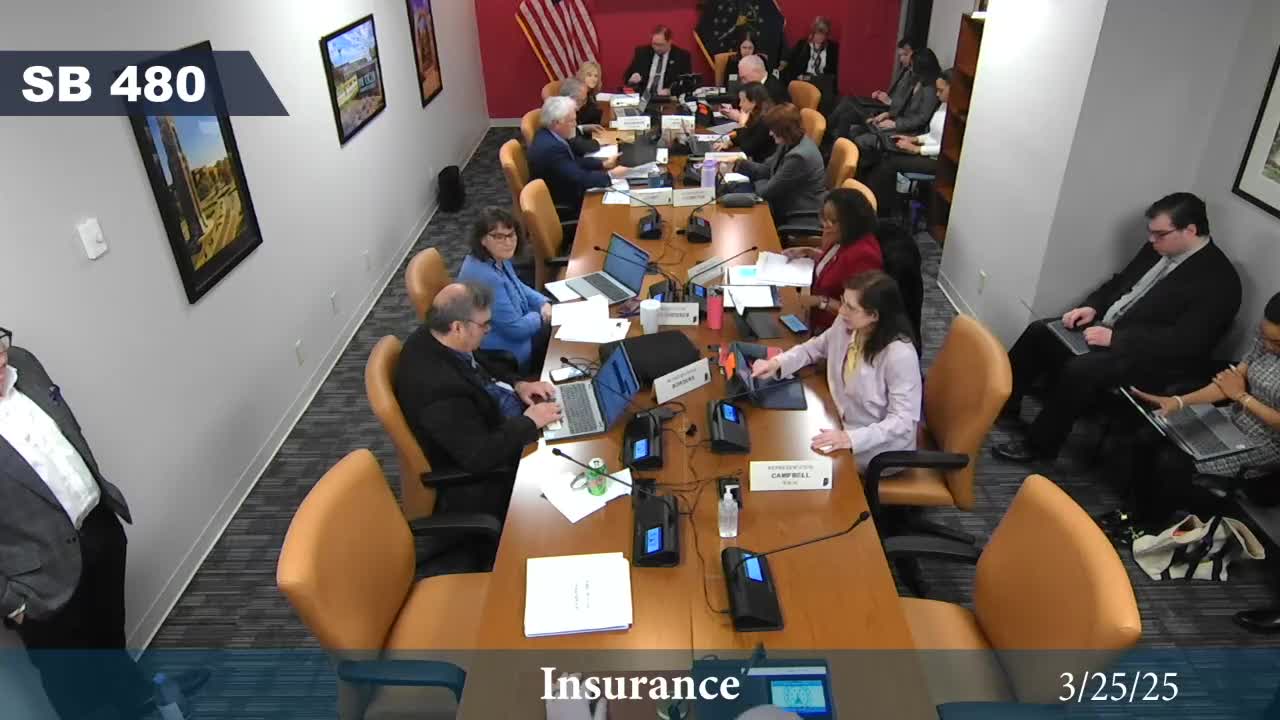
Senate Bill 480, a prior-authorization reform measure, drew wide testimony from clinicians, insurers and patient advocates. The bill sets shorter turnaround times, requires public posting of clinical criteria and seeks to make prior authorization easier to use; stakeholders disagreed about timelines and potential costs.
Senate Bill 480, a measure to change prior-authorization rules, received extended discussion and mixed testimony from clinicians, industry representatives and patient advocates during the committee hearing.
Senator Mark Johnson, author of the bill, told the committee the proposal targets delays and "gamesmanship" in the prior-authorization process that he said sometimes denies or delays medically necessary care. Senator Johnson framed the legislation as patient-focused: "How does it impact the patients that I serve as an ER doc, and how does it affect your family members?" he asked. The bill would shorten response timelines and require greater transparency about the criteria payers use to approve or deny requests.
Key provisions discussed
Sponsor statements and testimony described several central provisions: shorter turnaround times for prior-authorization decisions (the bill proposes a 48-hour standard for many requests, with an allowance for nights, weekends and holidays), public posting of criteria used by utilization-review entities, clinical peer-review processes that match requesters and reviewers by specialty where appropriate, and provisions that would make authorizations valid for at least a year for ongoing care.
Senator Johnson said the bill would permit 48-hour responses in many cases but would define and exempt emergent or urgent care from standard prior-authorization timelines. He and other supporters said the bill encourages electronic prior authorization and integrated records to reduce back-and-forth delays.
Support and patient testimony
Dr. Brian Hart, representing the Indiana Psychiatric Society, described patient cases to illustrate delays caused by prior authorization. He recounted an 11-year-old patient who had clinically improved on clozapine during a state psychiatric hospitalization but whose insurer later stopped covering the drug; the family paid $50 per month out of pocket to continue therapy. He also described a patient who was a candidate for a long-acting injectable antipsychotic whose initial authorization took multiple business days; the delay contributed to the patient missing a crucial opportunity to begin treatment, Dr. Hart said.
Physical therapists, physicians and hospital representatives testified in favor of faster timelines and common-sense transparency, including a request that peer-review conversations be conducted by similarly credentialed clinicians. Physical therapist Jason Hazlett urged simplified, standard prior-authorization forms and asked that routine therapies (for example, an uncomplicated course of physical therapy) not require repeated peer reviews. He said lost authorizations and denials that are later reversed create business risk for providers.
Industry concerns
Joey Fox, representing the Indiana Association of Health Plans and the Pharmaceutical Care Management Association (PCMA), said prior authorization is a tool that can reduce wasted spending and help direct patients to appropriate sites of care. He urged caution on some specifics in the bill, including very compressed reply windows that could increase the number of incomplete requests and administrative burden. Fox noted that insurers have already worked on electronic prior-authorization tools and pilots that in some cases removed prior authorization for selected codes; he told lawmakers a pilot reported $2 million in increased spending for several codes after authorizations were waived, a figure the committee said staff would clarify.
Fox and health-plan witnesses raised several concerns:
- Tightening timelines too far could force insurers to default to automatic approvals or create rushed clinical reviews. He recommended maintaining current state turnaround times for nonurgent requests and expanding electronic prior authorization. - Requiring authorizations to be valid across plan changes presents implementation difficulties and could limit employer flexibility. - Mandatory recognition of authorizations across plan transitions requires technical infrastructure and could have unintended consequences for benefit design.
Other witnesses and state officials
Representatives of the Indiana Chamber, the Indiana State Medical Association and the Indiana Hospital Association testified in support of transparency requirements but voiced caution about automatic-approval provisions and compressed timelines. William Pond of the Indiana State Medical Association supported the bill, saying it would reduce occurrences in which patients reach the pharmacy and discover a previously authorized medicine is no longer approved.
Several witnesses argued that wider use of electronic prior authorization and better integration of electronic medical records would reduce back-and-forth documentation and speed decisions. Industry witnesses described existing tools that flag prior-authorization requirements at the point of prescribing and pilots intended to reduce unnecessary administrative burden.
Unresolved issues
Committee members asked whether the bill covers prescription drugs under certain sections and whether the Medicaid program is included; Senator Johnson said prescription drug provisions had been refined in committee and that some higher-cost drugs were being handled separately to avoid immediate large employer cost shifts. Joey Fox and others pressed for keeping turnaround times at current statutory levels for nonurgent reviews to avoid creating rushed reviews that could increase spending or deny medically necessary care in error.
No vote on Senate Bill 480 was taken at the hearing; committee members said they expect further conversations and drafting on timelines, electronic prior authorization standards and the scope of drug coverage for the bill’s provisions.