Get Full Government Meeting Transcripts, Videos, & Alerts Forever!
Get email alerts on the Reproductive Services Policy topic
No spam. Unsubscribe anytime.
Committee advances HB 273 (CARE Act) protecting pregnancy resource centers; opponents argue bill is unnecessary and unconstitutional
Summary
House Bill 273, the "Pregnancy Care Center Autonomy and Rights" (CARE) Act, was presented and advanced by the committee after debate. Sponsors said the bill prevents state or local officials from coercing pregnancy centers to refer for abortion or limiting their speech; opponents questioned necessity, cited First Amendment protections and raised
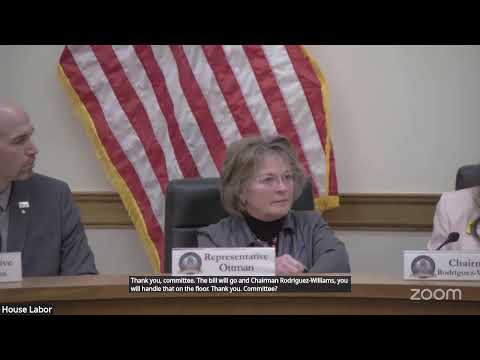
The House Labor, Health & Social Services Committee heard testimony on House Bill 273, the Pregnancy Care Center Autonomy and Rights Act (the CARE Act), and advanced the bill after debate and an unsuccessful amendment to remove a provision about legislative intervention in litigation.
Representative Rachel Rodriguez Williams, sponsor of HB 273, and Denise Burke of Alliance Defending Freedom presented the bill. Rodriguez Williams described the measure as a preventive protection for pregnancy resource centers. “The CARE Act protects pregnancy centers by prohibiting state and local officials from forcing a pregnancy center to perform or refer a woman for abortion,” she told the committee. Burke added that the bill “prevents them from being discriminated against because of their pro life ethic,” and said the measures in the bill respond to actions other states have considered against such centers.
Supporters testified that pregnancy centers statewide provide life‑affirming services and community supports for pregnant people and families. Jeanette Ward said some centers offer clothing, diapers, food and counseling and that many rely on private donors. Nathan Winters, president of the Wyoming Family Alliance, and volunteers with local centers described direct client services and urged committee support.
Opponents — including health‑care providers, women's‑rights advocates and several people who said they had personally sought care at pregnancy centers — argued the bill is unnecessary and could protect organizations that provide misleading or nonmedical advice. Linda Burton, speaking for Wyoming Right to Choose, told the panel the bill is “not only unnecessary, it's unconstitutional,” citing First Amendment law and warning the statute’s litigation clause raised separation‑of‑powers concerns. Testimony from medical providers and a representative from Wellspring Health Access, the state’s medication‑abortion provider, said crisis pregnancy centers often use misleading names, are staffed by volunteers who are not licensed health‑care providers and can provide inaccurate medical information.
A point of contention in committee discussion focused on a clause in the bill that would allow the legislature to appoint intervenors in lawsuits challenging the law. Representative Clauston and others raised that the clause had been removed from a related bill in an earlier session because of separation‑of‑powers concerns. Representative Clauston moved to strike the clause (page 11, lines 8–11); that amendment failed on a committee vote.
After debate the committee approved HB 273 on a roll call. The clerk reported the vote as seven yeas and one excused. Sponsors and supporters said the bill aims to safeguard centers’ speech and operations; opponents said existing constitutional protections make the bill unnecessary and warned the litigation provision is problematic.
Ending
With the bill advanced, sponsors said they will carry HB 273 to the House floor. Opponents indicated they expect constitutional challenges if the law is enacted; committee debate left the contested litigation clause intact after the committee rejected an amendment to remove it.