Get Full Government Meeting Transcripts, Videos, & Alerts Forever!
Get email alerts on the Sfrf Monitoring topic
No spam. Unsubscribe anytime.
NC Pro announces changes to SFRF monitoring: low‑risk self‑assessments, longer visits for others, and free technical assistance
Summary
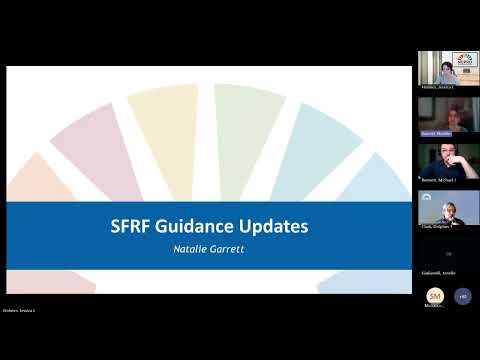
NC Pro reported that North Carolina met the U.S. Treasury obligation deadline for all State Fiscal Recovery Fund awards and described planned changes to monitoring and support for recipients as it readies “Cycle 2.”
NC Pro reported that North Carolina met the U.S. Treasury obligation deadline for all State Fiscal Recovery Fund (SFRF) awards and described planned changes to monitoring and support for recipients as it readies “Cycle 2.” The presentation said the state has fully obligated $5,400,000,000 across 215 SFRF projects and now has two years to expend funds.
Why it matters: recipients of SFRF dollars must meet federal requirements for monitoring and closeout. NC Pro’s announced changes are intended to reduce burden on low‑risk entities, provide more time for monitored entities to gather records, and offer training resources for grant managers and subrecipients.
Key changes announced
- Low‑risk recipients: NC Pro said low‑risk entities will not receive the same in‑depth monitoring visits used in Cycle 1. Instead they will receive a self‑assessment survey (the team described it as a self‑assessment of internal controls) to be completed and returned; the office indicated a proposed turnaround of about 60 days but said that is not final.
- Medium and high‑risk recipients: the monitoring “visit” window will expand from one week to two weeks to give recipients additional time to assemble requested documents. NC Pro said high‑risk entities will again be visited in person by monitoring teams that include NC Pro contractors and Deloitte; medium‑risk entities will receive virtual monitoring similar to Cycle 1.
- Monitoring schedule: Cycle 2 monitoring will begin in the spring (NC Pro said monitoring could start in late March or early April) and is expected to extend into the 2026 calendar year. The office said there will be two blackout months for state agency monitoring: July (to allow fiscal closeout) and December (for year‑end/vacation schedules). NC Pro also said there are more entities to monitor in Cycle 2 than in Cycle 1.
- Technical assistance: NC Pro announced a structured, voluntary technical assistance program consisting of eight town‑hall style, virtual sessions per year for two years (eight sessions per year, repeated annually for two years). The sessions will cover common monitoring topics such as closeout and subrecipient monitoring and are intended for recipient staff and new hires; NC Pro emphasized the sessions will be free and open to all recipients.
Timeline and next steps
NC Pro said it expects to finalize the Cycle 2 monitoring plan and the technical assistance schedule by February 4 (date provided by the presenter; year not specified) and encouraged recipients to update contact information with their grant manager so monitoring invitations and schedules reach the correct staff. The office urged recipients to notify grant managers promptly of any staff turnover so monitoring logistics and technical assistance invitations are accurate.
What NC Pro asked recipients to do
NC Pro asked recipients to: (1) verify and update contact information with their grant manager; (2) be prepared for a self‑assessment if classified as low risk or for a two‑week monitoring window if classified medium or high risk; and (3) share the technical assistance opportunity with other staff who may not normally work on SFRF. The office said Deloitte, NC Pro contractors and the Grama team will continue to coordinate weekly as Cycle 2 plans are finalized.
Attribution and scope
The monitoring and technical assistance material was presented by NC Pro staff during the meeting; the presentation referred repeatedly to coordination with Deloitte, the Grama team and NC Pro contractors. Specific comments about risk categories and monitoring formats were described by NC Pro presenters and not adopted as formal agency regulations during the meeting. Dates and some timing details (for example, the proposed 60‑day survey return window) were described as tentative and subject to finalization by the February 4 planning milestone.
Ending
NC Pro said it will present additional details at its February meeting after the office finishes planned Cycle 2 changes and finalizes the technical assistance schedule.