Get Full Government Meeting Transcripts, Videos, & Alerts Forever!
Interim committee studies North Dakota dual-credit costs, funding and access
Summary
Lawmakers and state education officials reviewed how dual-credit courses are offered and paid for in North Dakota, heard differences in subsidized vs. unsubsidized tuition rates, and reviewed Bank of North Dakota scholarship use and program costs. The committee plans follow-up in March.
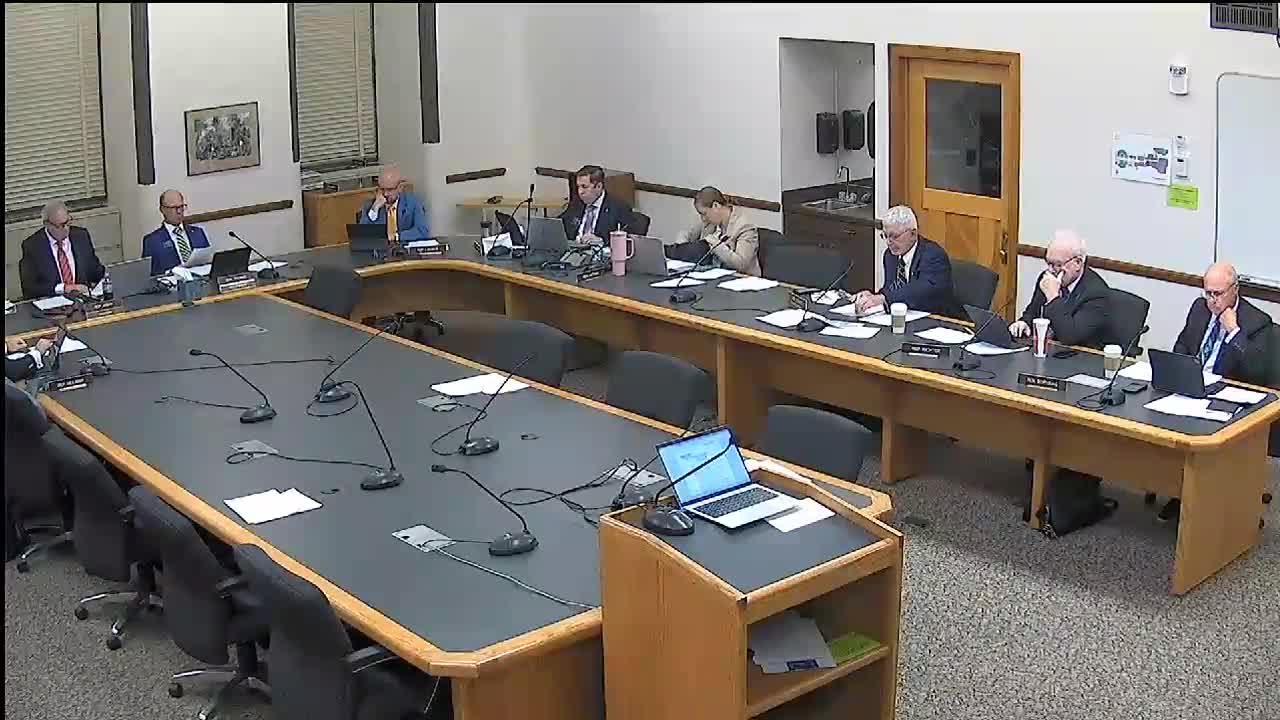
BISMARCK, N.D. — Lawmakers on the interim Education Committee on Tuesday examined how North Dakota’s dual‑credit program is delivered, who receives funding for it and what state money accompanies college credit earned by high‑school students.
The committee heard presentations from Legislative Council staff, the North Dakota University System (NDUS), the Bank of North Dakota (BND) and the Department of Public Instruction (DPI) as part of a statutorily required study of dual credit. Testimony described how dual credit is administered, the handful of per‑credit tuition rates in use, and a $1.5 million tuition scholarship for low‑income students administered by the Bank of North Dakota.
The issue matters to districts, legislators said, because dual‑credit enrollments are included in the higher education funding formula and also because local schools and colleges both incur costs when they deliver college‑level classes in K–12 settings.
“Dual credit gives students an opportunity to have some experience, some familiarity with a college course,” NDUS Deputy Commissioner Lisa Johnson told the committee. “With responsibility comes cost. If you're responsible for this, you bear the cost of maintaining that responsibility.”
What dual credit is and who may offer it
Committee documents and NDUS testimony defined dual credit as a college semester course taken through a two‑ or four‑year institution that yields both college credit and one half unit of high‑school credit. The Legislative Assembly directed a study of which institutions may offer dual credit, where courses can be provided, and what state funding supports them (Legislative Council memo referencing section 46 of Senate Bill 2003).
Board of Higher Education policy recently opened the possibility for the University of North Dakota and North Dakota State…
Already have an account? Log in
Subscribe to keep reading
Unlock the rest of this article — and every article on Citizen Portal.
- Unlimited articles
- AI-powered breakdowns of topics, speakers, decisions, and budgets
- Instant alerts when your location has a new meeting
- Follow topics and more locations
- 1,000 AI Insights / month, plus AI Chat