Get Full Government Meeting Transcripts, Videos, & Alerts Forever!
Get email alerts on the Legislative Compensation Commission topic
No spam. Unsubscribe anytime.
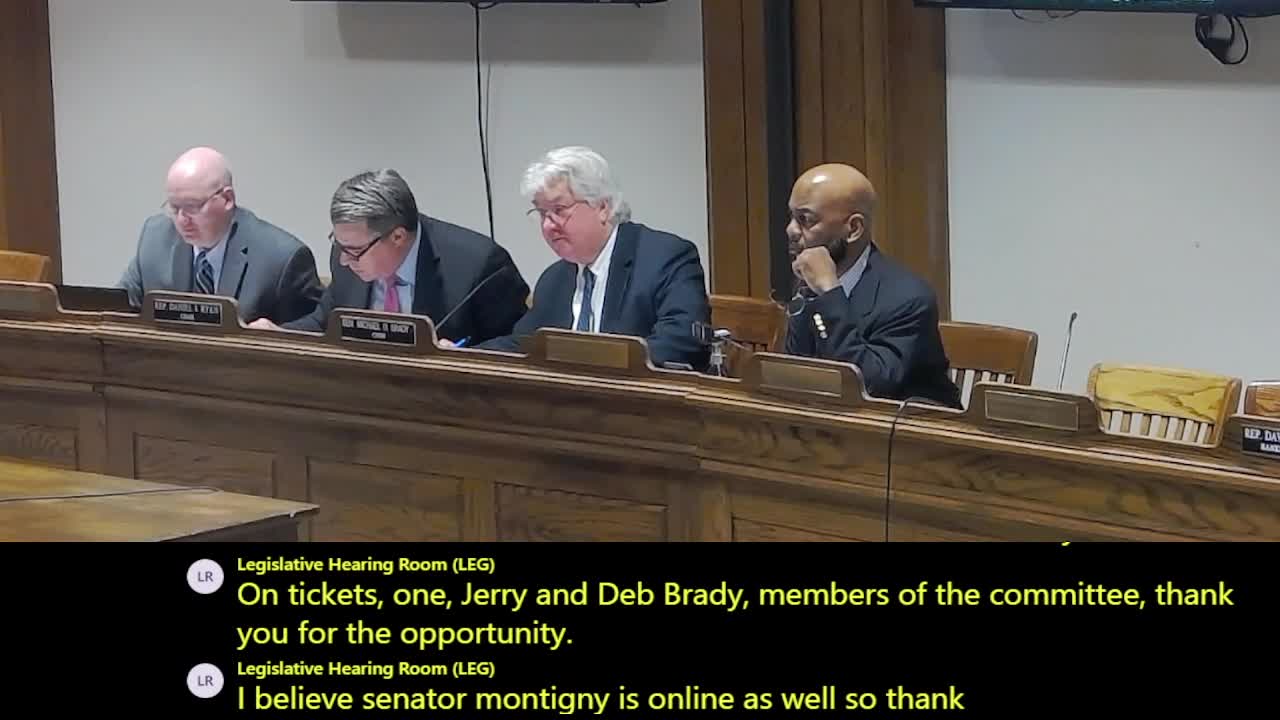
Senator outlines bill to create commission on legislative stipends and compensation
Summary
Senator John Keenan presented Senate Bill 2100 to create a nine-member commission to study additional regular compensation and annual expenses for members of the General Court, citing research by student interns on stipend structures in other states and governance concerns.
Senate Bill 2100, creating a special commission to examine additional regular compensation and reimbursement for members of the General Court, was presented to the Joint Committee on Public Service by Senator John Keenan.
Keenan described research conducted by five interns who examined compensation across full-time legislatures in nine states. He said Massachusetts ranks seventh in base pay among a subset of states but has some of the largest stipends for leadership positions, which can range from roughly $69,000 for a second assistant minority leader to more than $129,000 for the Senate president or House speaker when combined with stipends.
Keenan referenced concerns from academic literature and news reporting that stipend structures can change incentives and internal legislative dynamics. He cited a former House member’s observation that a proliferation of paid leadership positions can reduce direct outreach from leaders because leadership positions can secure votes in advance.
The bill would create a nine-member commission, with a mix of legislative and non-legislative appointees, to consider reforms and improve public confidence in legislative independence and compensation practices. Keenan said indexing of pay and stipend growth could exacerbate disparities over time and that a commission could consider structural changes to maintain independence and good governance.
Committee members did not record questions on the testimony. Keenan said the commission’s membership would include four legislative appointees and a majority from outside the legislature; no formal committee action was taken during the hearing.