Get Full Government Meeting Transcripts, Videos, & Alerts Forever!
Get email alerts on the Bedbugs Housing topic
No spam. Unsubscribe anytime.
Lawmakers hear bill to require notification and remediation steps for bedbug infestations in rental housing
Summary
Senate bill S.999 (companion H.1568) would require landlords to retain certified applicators, inspect and remediate units within set timeframes and strike a balance of tenant and landlord protections; Sen. Kenyon and others told the committee the law would provide needed clarity.
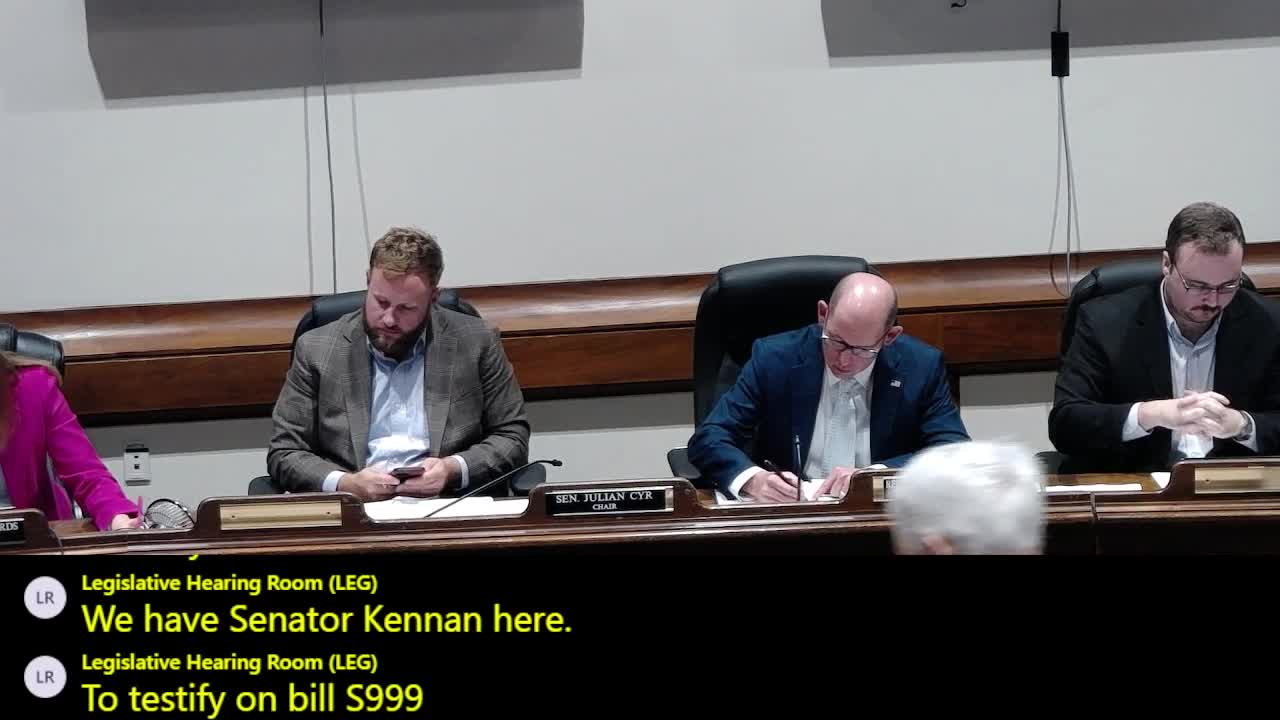
The Joint Committee on Housing heard testimony on Senate bill S.999 (and companion House bill H.1568), legislation that would require notification, inspection and remediation when bedbugs are discovered in multi‑family housing and would require landlords to retain certified applicators and perform follow‑up inspections.
Sen. Jon (testimony in transcript: "Senator Kenyon") told the committee that bedbugs are "unsettling, disruptive, and expensive to exterminate" and that Massachusetts currently lacks clear legal guidance for handling infestations. The measure would require landlords to act promptly: once notified, owners would need to secure a certified applicator within a specified timeframe (testimony referenced 10 business days) and perform a visual inspection within 30 days after a certified applicator reports control is achieved. The bill would also require the Department of Public Health to publish guidance on bedbug identification and spread.
The legislation includes a limited liability provision: a property owner who complies with the statutory requirements would not be liable for damages caused by an infestation. Advocates and the Greater Boston Real Estate Board (which Sen. Kenyon said supports the bill's companion) said the bill is intended to be proactive and avoid large, building‑wide outbreaks that result in tenant displacement and high cleanup costs.
Sen. Kenyon described personal experience with family members who lost possessions and ultimately moved after a severe infestation, arguing the bill would protect tenants' health and provide clear responsibilities for landlords. Committee members asked whether temporary relocation costs would be covered in particular cases; Sen. Kenyon said payment often depends on insurance, and the bill aims to provide stronger preventive and remedial standards rather than guarantee relocation funding.
The committee did not vote on the bill at the hearing.