Get Full Government Meeting Transcripts, Videos, & Alerts Forever!
Maine officials outline PFAS response, $60 million fund and support for affected farms
Summary
State agriculture and public-health officials described how the PFAS Response Program and the $60 million PFAS Fund are identifying contaminated farms, advising mitigation steps, supplying technical and financial help, funding research, and planning blood testing and mental-health services for affected people.
Maine Department of Agriculture, Conservation and Forestry (DACF) officials outlined the state's approach to PFAS contamination in agricultural settings and described programs funded through a $60 million PFAS Fund during an advisory committee meeting. DACF's PFAS response director Megan Hennessey and PFAS Fund director Beth Valentine explained how the state identifies impacted farms, recommends mitigation, provides financial and technical assistance, and is supporting research and health follow-up.
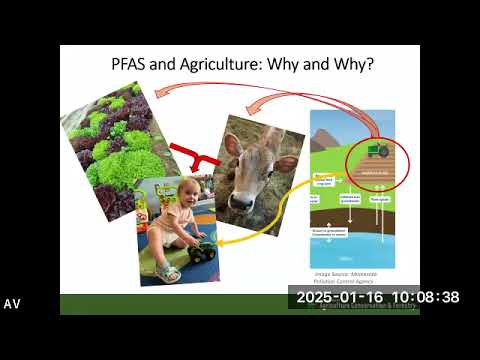
The discussion matters because PFAS compounds can move from land-applied biosolids into soil, crops and animals, and the state is balancing public-health protections with efforts to keep farms viable. "Our team's goal is to protect consumers by identifying PFAS contamination, pursuing strategies to reduce or eliminate PFAS from the food supply and providing technical and financial assistance to retain farm viability," Megan Hennessey said.
DACF officials described the program's work since initial dairy and water detections in 2016 and the establishment of the PFAS Fund by statute in July 2022. The state adopted rules to implement the fund that became effective March 17, 2024, and the advisory committee has developed subcommittees on financial assistance, land stewardship, research and health. Beth Valentine said the fund's plan was developed through public meetings and rule-making and that implementation has continued since the rules took effect.
State scientists and staff summarized how sites are prioritized and what "impacted farm" means in practice. Maine DEP categorized sites into tiers based on historical biosolids application records and likely risk; higher-tier sites tended to show higher PFAS…
Already have an account? Log in
Subscribe to keep reading
Unlock the rest of this article — and every article on Citizen Portal.
- Unlimited articles
- AI-powered breakdowns of topics, speakers, decisions, and budgets
- Instant alerts when your location has a new meeting
- Follow topics and more locations
- 1,000 AI Insights / month, plus AI Chat