Get Full Government Meeting Transcripts, Videos, & Alerts Forever!
Get email alerts on the Student Engagement topic
No spam. Unsubscribe anytime.
Student advisers report Speak Up, Speak Out visits and propose quarterly joint student-board discussions
Summary
Student advisers Landon Spellberg and Alana Barreiro summarized student engagement work: 19 Speak Up, Speak Out sessions, more than 500 students reached, superintendent student advisory committee activity, and a board-requested plan for quarterly joint student-school board discussions.
Student advisers to the School Board described a districtwide outreach effort that has heard from hundreds of students and proposed a quarterly joint student-and-board discussion format for 2025.
Landon Spellberg and Alana Barreiro said the Speak Up, Speak Out visits follow a "Well, Better, Next" framework (what is going well; what could be better; what should come next) and that the program has completed 19 sessions in its first semester with more than 500 student participants. The studentsreported themes that included mental health supports, safety and security, interest in broader course offerings and access to clubs and co-curricular activities, and a desire for clearer explanation of rules in the Code of Student Conduct.
The advisers described the superintendent student advisory committee (SSAC) work this year, including student feedback to the superintendent on programs and mental health. The advisers proposed a quarterly joint session with the school board in which 1 middle- and 1 high-school student per board district, plus two center-school students, would be included, with students rotating each quarter. The board reached consensus to move forward with that composition and to direct staff to implement an application process and schedule.
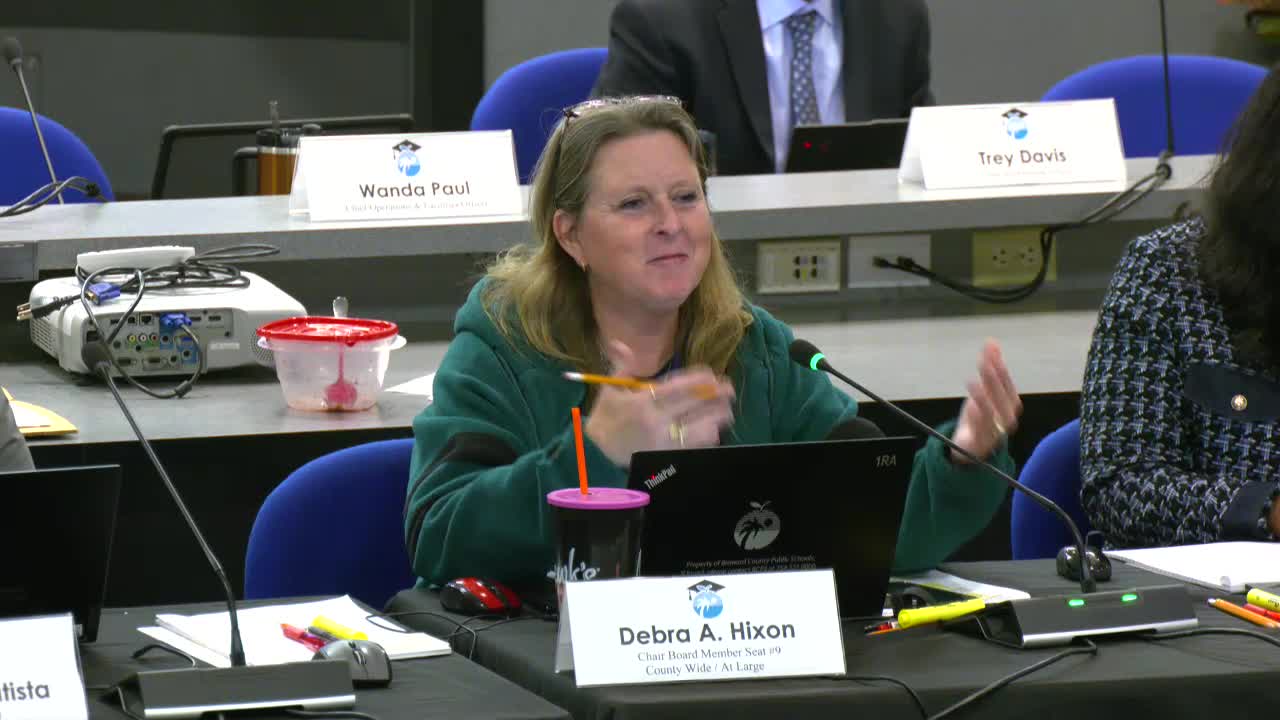
Board members praised the student presenters in the room and asked for continued communication channels between students and individual board members. Several board members invited students to participate in additional virtual town halls and local meetings; staff said they would circulate contact lists and provide updated outreach channels.