Get Full Government Meeting Transcripts, Videos, & Alerts Forever!
Get email alerts on the School Zone Speed Cameras topic
No spam. Unsubscribe anytime.
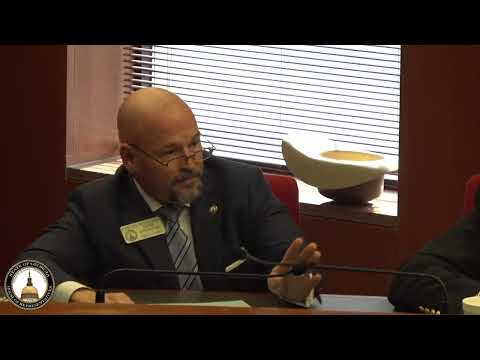
Committee advances bill to ban school-zone speed cameras after heated debate over safety and revenue
Summary
Representative Washburn asked the committee to ban automated school-zone speed cameras, saying the systems have generated large revenues and, in many places, failed to target times and locations when children are present.
Representative Washburn presented House Bill 225 to the committee seeking to ban automated school-zone speed cameras, telling members the cameras "have not done what it was apparently designed to do" and saying the programs have become revenue-generating instruments in many jurisdictions. Washburn cited a local news Freedom of Information Act review and constituent complaints, saying Macon–Bibb County collected $6.5 million and paid nearly $1 million to the operator; he also referenced larger statewide figures reported in media coverage.
Supporters of the cameras, including the city of Decatur and law-enforcement groups, argued the cameras change driver behavior and reduce speeding in school zones. Scott Richards, chief of police for the city of Decatur, described the city's pre- and post-implementation counts: a five-day speed survey identified 22,443 speeding vehicles in target school zones; during the public information and education phase that fell to 7,491 (a 66.6% reduction), then to 2,284 during a 30-day warning period and to 1,797 after formal enforcement began. Richards said the city saw a 92% overall reduction in violations and runs enforcement one hour before and one hour after school.
The city of Valdosta's council member Mandy Gibbs said her city restricts enforcement to school days and limited windows (7 a.m. until one hour after school), that the city uses thresholds (e.g., citations at 10 mph over the limit), and that 60% of fines are earmarked for public safety; she said Valdosta had generated $92,000 under its program. Representatives of the Georgia Association of Chiefs of Police and other law-enforcement leaders said automated enforcement is a practical tool given officer shortages and produced sustained reductions in violations.
Opponents including Washburn, other legislators and faith and civic groups faulted the systems as inconsistent, sometimes operating outside times when children are present, and providing limited recourse for vehicle owners. Washburn described difficulties he and constituents encountered after receiving a notice in the mail, including challenges verifying who was driving and the administrative steps required to contest a citation (notarized statements, certified mail, court procedure).
Committee members expressed concern about both safety and fairness. Several members said they had received constituent complaints about cameras operating outside school hours or in locations with little pedestrian traffic; others urged caution about a wholesale repeal. After roughly 90 minutes of testimony from municipal officials, law-enforcement representatives and citizen speakers for and against the cameras, a member moved that the committee pass the bill. The committee recorded a voice vote; the transcript indicates the motion passed.