Get Full Government Meeting Transcripts, Videos, & Alerts Forever!
Get email alerts on the Hospital Pricing Transparency topic
No spam. Unsubscribe anytime.
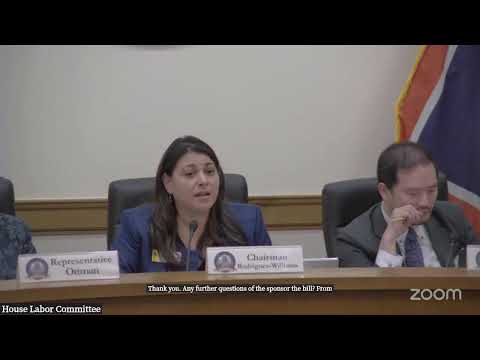
Sponsor introduces hospital pricing-transparency measure; committee carries bill for further comment
Summary
Representative Singh introduced House Bill 121 to require hospitals to publish machine‑readable, payer‑specific and cash prices for services. The committee heard the sponsor's overview and invited more public comment at a later meeting; no committee vote was taken.
Representative Daniel Singh (House District 61) introduced House Bill 121, a measure that would require hospitals to publish prices for services in a machine‑readable format and to display payer‑specific negotiated rates and cash (self‑pay) prices to consumers.
"The purpose of this bill is really to ensure that the prices that are displayed to the public" are accessible for services provided by hospitals, Singh told the committee, summarizing provisions that mirror existing federal price‑transparency rules and add a statutory consumer‑protection enforcement mechanism. Former Representative Patrick Neville, who worked on similar legislation in other states, said the bill largely mirrors federal requirements and that the state statute clarifies that prices be posted in dollars and cents and provides a consumer remedy when required disclosures are missing.
Sponsors and witnesses framed the proposal as a consumer‑protection and market‑competition tool: machine‑readable fee files would allow third‑party tools to compile and compare prices, the sponsors said, and cash prices can sometimes be lower than negotiated insurance rates. Sponsors also said prior enactments in other states produced no surge of meritless litigation and in some cases resolved billing disputes when hospitals corrected billing errors after patients asserted the right to transparent prices.
Committee members asked technical questions about scope and implementation. The Legislative Service Office noted an administrative‑impact statement for state agencies; the Department of Health/Department of Insurance involvement and any fiscal impact were not resolved during the hearing.
Because the committee needed to adjourn early for the State of the State, members closed the public‑comment period and carried the bill to a subsequent meeting for full public testimony and further committee consideration. The chair directed interested parties to return at that hearing to provide additional comment.
No committee vote was taken at the meeting. The sponsor said portions of the act are written to allow the department to adopt rules and that the filing of a complaint could provide consumers with an affirmative defense when a hospital fails to disclose required pricing information.