Get Full Government Meeting Transcripts, Videos, & Alerts Forever!
Get email alerts on the Comprehensive Plan topic
No spam. Unsubscribe anytime.
Consultants outline comprehensive plan update process, steering committee and outreach; resident raises concern over past 'gentrification' language
Summary
EPRPC consultants presented a plan to update Waynesboro's comprehensive plan, proposing a two‑year process, a representative steering committee, and extensive community outreach; a resident flagged a 2006 plan bullet referencing 'promote gentrification.'
Consultants from the Virginia Regional Planning firm EPRPC on Feb. 24 briefed the Waynesboro City Council on a planned comprehensive plan update, seeking guidance on public engagement, steering‑committee composition and priorities for the update.
"Comprehensive plan is usually about a 20 year planning horizon," said Will Cockrell, principal planner with EPRPC, noting Virginia requires jurisdictions to maintain and review a comprehensive plan. Cockrell told council the update should be user friendly and actionable, with measurable goals and an engagement program that reaches diverse audiences.
Why it matters: The comprehensive plan sets long‑range policy direction for land use, housing, infrastructure and economic development and guides future zoning and capital investments.
Summary of consultant proposals and council feedback: - Timing and scope: Cockrell described the update as a roughly two‑year process with milestones at five‑ and ten‑year marks; staff and consultants aim to assemble a steering committee and begin meetings in March with a kickoff in late spring. - Steering committee: EPRPC recommended a representative steering committee of roughly a dozen members (council liaisons, planning commissioners, neighborhood and sector representatives). Some council members suggested a larger initial roster (up to 18) to allow for absences over a multi‑year process. - Engagement approach: Consultants emphasized ‘‘public intercepts’’ — taking outreach to existing community events, partnering with churches and neighborhood organizations, and offering simplified materials and summary sheets rather than lengthy technical documents. - Priority topics: Early feedback indicated housing and economic development, affordable rental housing, reuse of vacant buildings, and youth engagement to retain younger residents were priorities.
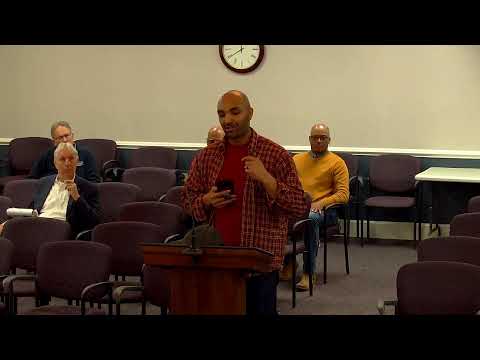
Public comment tied to the comp‑plan item: Haseem Hallstead, a resident of Edge Hill, told council he had reviewed earlier plans and highlighted a line in a 2006 document referencing "update ordinance to promote gentrification," saying the phrase raised concern and asking whether the city is shifting toward revitalization rather than gentrification.
Council members and consultants agreed community outreach should be broad and not limited to downtown, with one council member urging attention to commercial districts that currently lack services. Cockrell said the team will prepare an engagement plan, a project website and draft communication materials and return with steering‑committee nominations for council consideration.
No action was required that evening; the presentation was for direction and to solicit feedback on outreach and committee structure.