Get Full Government Meeting Transcripts, Videos, & Alerts Forever!
Get email alerts on the Ambulance District topic
No spam. Unsubscribe anytime.
Board continues hearing on proposed ambulance tax district; residents ask about funding and ALS coverage
Summary
The Town Board continued a public hearing on establishing a town ambulance tax district and discussed funding, billing and anticipated service changes. Speakers supported local ambulance service but sought clarifications on the tax district size and ALS billing impacts.
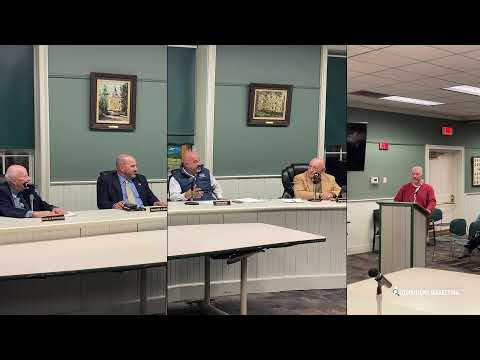
The Town of Goshen Town Board continued a public hearing Dec. 12 on establishing a town ambulance tax district intended to fund ambulance services and advanced life support (ALS) coverage.
Commenters sought clarification on whether the proposed $400,000 figure discussed at the meeting represented the tax district’s contribution to operating costs, whether fee‑for‑service ALS billing would offset costs, and how revenue collection and direct billing to insurers would interact with the district’s levy.
Why it matters: the proposal would change how ambulance services are funded in the area and could alter service levels and billing practices for residents in the district.
Key public points
Paul Smith (identified in the record as Paul Smith, Goshen) asked whether the $400,000 mentioned in materials would cover advanced life‑support (ALS) costs when Goshen EMS provides ALS rather than an outside firm. Town staff said they would check details but indicated the amount was intended to help close the funding gap for ALS coverage.
A town resident and frequent commenter, Chris Healy, spoke in favor of investing in dependable ambulance service, describing public‑service value beyond immediate budgeting: “Having dependable, rapid ambulance service is of utmost importance to everyone in our community,” Healy said.
Board and staff responses
Staff explained that ALS billing and direct insurer charges could increase the ambulance organization’s income and that jurisdictions sometimes see higher collection rates when a local provider bills directly. The board compared Goshen’s approach to neighboring towns that had taken different routes to secure ambulance coverage.
Next steps
The board kept the hearing open and scheduled the matter to remain on the agenda; staff said they would verify whether the $400,000 covers the items raised and would return with details on billing and revenue expectations.
Ending
No final determination was made on Dec. 12. The board continued the hearing to the next meeting to allow staff to supply additional financial details and for residents to submit written comments.