Get Full Government Meeting Transcripts, Videos, & Alerts Forever!
Get email alerts on the Parking Policy topic
No spam. Unsubscribe anytime.
Lewiston council approves first reading to halve minimum off‑street parking; resident raises downtown safety concerns
Summary
Council approved first reading of ordinance 49-39 to cut minimum off‑street parking requirements in half and keep maximums; resident Nathaniel Tucker told council overnight parking fines and student dorm parking are forcing downtown residents to walk to distant lots early in the morning, creating safety concerns.
The Lewiston City Council on first reading approved ordinance 49-39 to reduce the city's minimum off-street parking requirements by 50% and retain existing maximums, a change city planners said is intended to encourage reuse and redevelopment of existing buildings.
Assistant City Planner Katie Hollingshead told the council the proposal was developed as part of the comprehensive plan work program and that the reduced minimums would apply to the off-street parking standards listed in Chapter 37. "Rather than eliminate parking requirements entirely, the committee thought halving the current requirement was a better starting point," Hollingshead said, explaining the change is meant to make it easier for new businesses to occupy existing structures.
The hearing included public comment from downtown resident Nathaniel Tucker, who said reinstated overnight parking fines and enforcement of municipal lots have forced residents who live above downtown businesses to park away from Main Street. "My household, myself and my wife have paid more than $300 to the city for this," Tucker said, and he told the council he had counted roughly 16 vehicles ticketed in one night in the municipal lot near the library, many with Lewis‑Clark State College parking stickers. "This is a major safety issue," Tucker added, saying his wife and a relative must walk to lots or cross streets in the pre‑dawn hours and that transients in the area have created situations where residents feel unsafe walking alone to vehicles.
Councilors asked staff how the amendment would interact with existing downtown rules. Hollingshead said the city's Central Business District already has separate rules that in many cases do not require off-street parking; the proposed change would not create on‑street parking allowances in the Central Business District and would primarily affect off‑street requirements for new uses, changes of use, and new construction elsewhere in the city. She noted the code change is aimed at helping developers repurpose buildings where current occupancy types require more parking than the existing building provides.
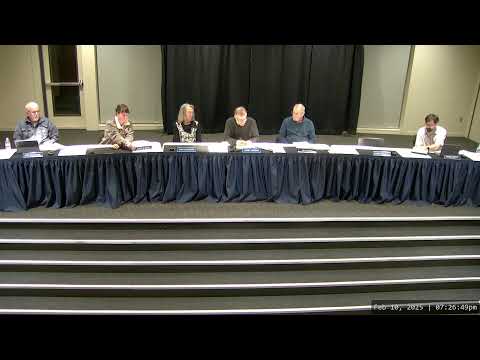
The counciler motion to approve the first reading of ordinance 49-39 was moved by Councilor Schroeder and seconded by Councilor Klein; the council voted in favor and the clerk read the ordinance title into the record.
The ordinance will return for further readings before final adoption; Hollingshead and staff said the city will monitor the effect of the change on redevelopment and parking patterns.