Get Full Government Meeting Transcripts, Videos, & Alerts Forever!
Hoboken council deadlocks on ordinance to cap non-rent-controlled increases at 10%
Summary
After an hours-long public hearing and debate, the Hoboken City Council failed to adopt Ordinance B725, which would have labeled rent increases above 10% unconscionable for many non-rent-controlled units; proponents said it would give judges a clear benchmark, opponents warned of state preemption and litigation risk.
The Hoboken City Council on Dec. 18, 2024 failed to adopt Ordinance B725, a proposed amendment to Hoboken City Code chapter 158 that would have deemed citywide rent increases over 10% "unconscionable" for certain non-rent-controlled units. The measure, advanced by Councilman Paul Cantero, ended in a tie on the roll call and did not pass.
Supporters framed the change as a clarifying standard for judges and tenants facing steep rent spikes. Councilman Paul Cantero said the ordinance would give local courts “a number to point to” when assessing whether an increase shocks the conscience. "What we're trying to do here today is kind of give some clarity as to what would shock the conscience in Hoboken. And 10% is a fair number," Cantero said during the hearing.
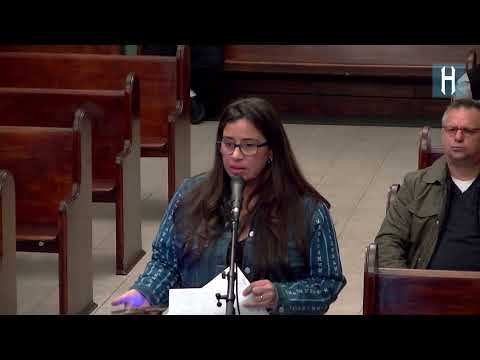
The proposal drew sustained public comment and a lengthy council debate. Tenants and tenant advocates urged action after reporting year-over-year increases of 20%–30% in non-rent-controlled buildings. Councilman Kevin Cohen urged colleagues to consider the human cost of large increases, calling a 10% hike “a shocking rent hike for any family” and saying that a smaller increase could determine whether a household can remain in the city.
Opponents—principally landlords' representatives and some council members—warned the city could be vulnerable to legal challenge. Nicholas Kikiis of the New Jersey Apartment Association told the council that state law contains a broad new-construction exemption and prohibits municipalities from imposing rules that would impair that exemption. "The law essentially preempts and prohibits municipalities from governing the rent increases in newly constructed apartment buildings that are exempt under that law," he said.
Council members split on how to balance local housing concerns against the risk of litigation and the limits of municipal authority. Some council members urged pursuing a state-level change instead of a local ordinance. Councilman Ruben Ramos suggested coalition-building with other municipalities and lobbying the Legislature to define “unconscionable” at the state level.
Key provisions and how they were described to the council
- Scope: Sponsors said the draft would apply to non-rent-controlled units (those not covered by existing Hoboken rent-control rules) and, according to one council member, to buildings of 10 units or more. The ordinance would not create new municipal penalties but would provide a benchmark for judges reviewing private lawsuits alleging unconscionable increases.
- Exceptions: The draft would allow landlords to exceed 10% if they could show documented, material increases in legitimate operating expenses (for example, demonstrated increases in property-specific costs), or other financial burdens the ordinance recognized.
- Enforcement and remedies: Supporters described the change as preserving tenants' private right of action—tenants retain the ability to sue—and merely aiming to guide judicial assessment by offering a local benchmark.
Why the ordinance failed
The council called the vote after extended debate. The roll call produced a tie, 4–4, which left the ordinance short of the votes needed for adoption. Under council procedure, a tie vote fails. While…
Already have an account? Log in
Subscribe to keep reading
Unlock the rest of this article — and every article on Citizen Portal.
- Unlimited articles
- AI-powered breakdowns of topics, speakers, decisions, and budgets
- Instant alerts when your location has a new meeting
- Follow topics and more locations
- 1,000 AI Insights / month, plus AI Chat