Get Full Government Meeting Transcripts, Videos, & Alerts Forever!
Grand Rapids leaders warn FY26 budget gaps could force staff cuts as state formula and benefits change
Summary
District officials presented FY26 budget assumptions showing possible $950,000–$1,000,000 in reductions driven mainly by a change to the state compensatory funding calculation and new unemployment costs for 9‑month employees, alongside falling enrollment and rising insurance expenses.
Grand Rapids Public School District administrators told the school board that assumptions for the fiscal 2026 budget leave the district facing near‑term reductions largely driven by two state policy changes and lower enrollment.
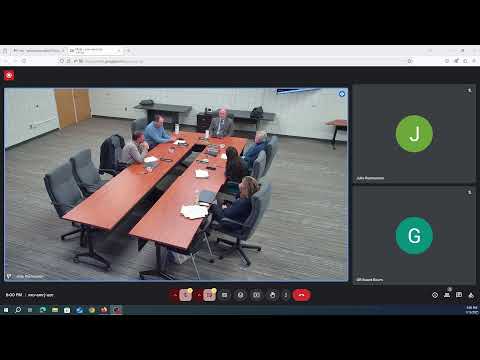
At a board workshop focused on the FY26 budget, district finance staff and administrators outlined a planning scenario in which a change to the state compensatory (free/reduced) funding calculation and a law extending unemployment eligibility to 9‑month employees create an estimated combined pressure of about $990,000 (roughly $740,000 from the compensatory formula change and about $250,000 from unemployment costs). Those amounts, the administration said, are the primary reason the district expects to need reductions in the range of roughly $950,000 to $1,000,000 under the conservative assumptions it used for planning.
District officials framed the numbers as provisional: state per‑pupil inflation adjustments (required by statute to be set each year) remain uncertain until the commissioner publishes the fourth‑quarter index, and federal and state aid decisions this legislative session could alter the gap. The administration recommended using a conservative 2.4% inflation factor in FY26 planning — the statutory floor/ceiling language adopted by the Legislature in 2023 requires the increase be between 2% and 3% — and said it has not assumed any new referendum revenue for FY26.
Most of the district’s spending is personnel: the administration reported that roughly 82% of expenses are salaries and benefits, making personnel costs the largest lever and the hardest to cut without affecting classrooms and services. Health insurance costs for the district total about $9.5 million a year; the administration cited an 8% planning assumption for next year’s insurance increase and said it will run a statutorily required procurement and expect final…
Already have an account? Log in
Subscribe to keep reading
Unlock the rest of this article — and every article on Citizen Portal.
- Unlimited articles
- AI-powered breakdowns of topics, speakers, decisions, and budgets
- Instant alerts when your location has a new meeting
- Follow topics and more locations
- 1,000 AI Insights / month, plus AI Chat