Get Full Government Meeting Transcripts, Videos, & Alerts Forever!
Get email alerts on the Ems Budget Fees topic
No spam. Unsubscribe anytime.
Cole County EMS adopts 10% fee increase; commissioners debate pay scale, insurance and vehicle-monitoring pilot
Summary
Cole County commissioners voted to adopt a 10% across‑the‑board increase in EMS fees for 2025. Commissioners and the EMS chief discussed a proposed new pay scale and rising insurance costs, and heard a county staff proposal to explore vehicle camera/monitoring systems to reduce claims and premiums.
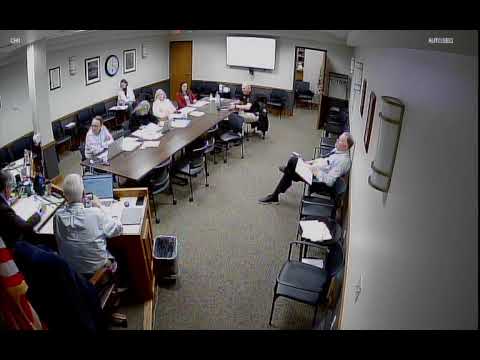
Cole County commissioners on Dec. 10 voted to adopt a 10% across‑the‑board increase in fees for Cole County EMS for 2025, a measure the department says will help offset rising fuel, maintenance and medical‑supply costs.
The county’s EMS chief described the fee increase during the commission’s budget hearing and urged approval, saying the increase places the service “in the sweet spot” relative to pending state legislation that would set private‑insurance payments at 325% of the Medicare rate. The commission approved the fees by voice vote.
Why it matters: Commissioners said the fee change will help the self‑sustaining EMS enterprise fund cover higher operating costs without drawing on general revenue. Commissioners and EMS leaders also debated a proposed employee pay‑scale change that would alter starting pay, eliminate two low steps, expand the top steps and phase certain holiday double‑pay rules back to align with other county departments.
Details of the fee vote and budget discussion - At the budget hearing, the EMS chief proposed a 10% fee increase for 2025, citing higher fuel, maintenance and supply costs and the fact that Medicare/CMS reimbursement increases have lagged costs. The commission voted to adopt the 2025 fee schedule as presented. - Commissioners and EMS staff reviewed the enterprise fund forecast; EMS staff said fee revenue and higher call volumes have pushed anticipated fee revenue to roughly $5.1 million for the year, about $900,000 over the adopted budget. That stronger revenue picture is the principal justification staff gave for the salary proposal.
Pay scale proposal and personnel costs - EMS presented a multi‑part compensation plan the department said would (a) remove two lowest steps in its current scale and shift employees up, (b) add additional years and a cap to the top of the scale, and (c) add two communications positions that had been recommended by a recent study. Department staff said the combined proposal represents a roughly 11–12% total increase to the salary and benefits line for the service. - Commissioners pressed on design choices: several members said they prefer front‑loaded increases to boost retention in early years, while others favored the department’s plan to balance near‑term budget impact with longer‑term competitiveness. Commissioners also discussed whether to allow cost‑of‑living adjustments after an employee reaches the top step and asked staff to bring more comparative market data if the commission wants to change the grid.
Insurance, vehicle risk and loss‑prevention technology - EMS staff told commissioners their insurer has raised premiums and deductibles substantially. Staff recommended budget increases to reflect higher premiums and larger potential deductibles on ambulances and other county vehicles. - The EMS director described a vendor proposal for an AI‑enabled vehicle monitoring camera system (forward/side/driver cameras, driver‑fatigue and phone‑use detection, telematics and an annual service fee). The director said the upfront equipment cost for the EMS fleet would be roughly $100,000–$115,000 with recurring annual fees of about $15,000. He asked the commission to direct staff to explore whether the county’s insurer would offer premium offsets if such a system were installed. - Commissioners asked staff to study the expected premium savings vs. the capital and operating cost of the monitoring system and to report back; no procurement decision was made on Dec. 10.
Process and next steps - Commissioners directed staff to include the adopted EMS fee schedule in the 2025 budget documents. The salary proposal remains part of the department’s budget submission; commissioners asked staff to return with any requested clarifications and comparative compensation data at a later hearing before final budget adoption.
Quotes - “I’m proposing an across the board 10% increase due to increases in cost to deliver service, such as fuel, maintenance, and medical supplies,” said Chief Hoye, the county’s EMS chief, explaining the fee recommendation. “I believe 10% is a solid number.” - “We have to balance retention with affordability,” a commissioner said during debate, urging staff to present market comparisons before finalizing permanent pay‑scale changes.
Ending: The commission approved the EMS fee increase and asked staff to return with more detail on compensation comparisons and on whether vehicle monitoring systems could produce insurance savings large enough to justify the one‑time and annual costs.