Get Full Government Meeting Transcripts, Videos, & Alerts Forever!
Audit and staff briefings show property-tax burden shifting to homeowners; committee opens bill files for exemption change
Summary
Auditors and staff told the Revenue and Taxation Interim Committee that rapid residential value growth and data gaps in commercial sales have contributed to a shift of property-tax burden onto homeowners, and the committee voted to open bill files to study raising the residential exemption.
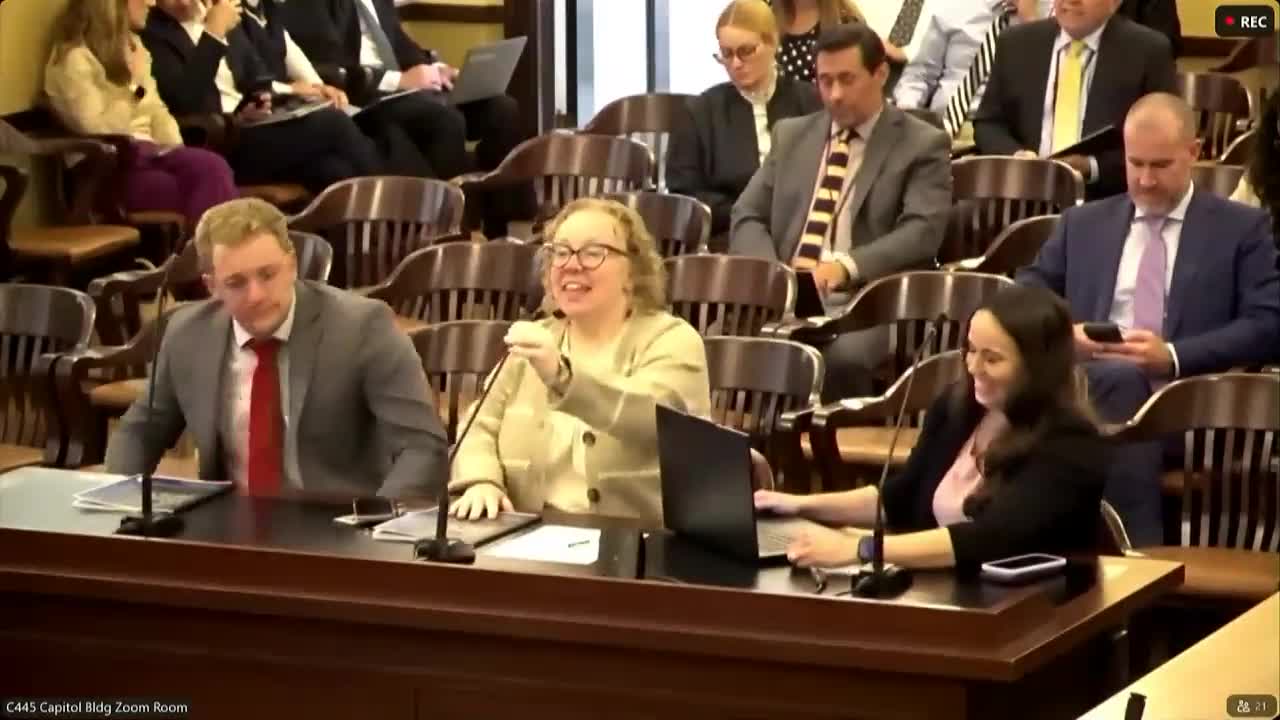
SALT LAKE CITY — Auditors and legislative staff told the Revenue and Taxation Interim Committee on Oct. 1, 2025, that Utah has seen a notable shift in its property-tax base: primary residential property now accounts for a larger share of statewide taxable value than it did a decade ago, pushing more of the tax burden onto homeowners.
The audit of local taxing authorities presented to the committee by Leah Blevins, manager with the Office of the Legislative Auditor General, found most taxing entities collect within 10% of their budgeted revenue year to year and that the truth-in-taxation process generally holds overall revenues steady. “So essentially what we found is that entities are not collecting significantly more on a consistent basis than they've budgeted for,” Blevins said. But the audit and subsequent staff analyses identified other causes for rising homeowner bills.
Why it matters: committee staff and the auditors told members that fast residential market appreciation, a 2018 freeze in part of the basic rate, and county-level differences in how “new growth” and exemptions are applied have combined to increase the share of taxes falling on primary residential owners in many counties. That shift matters because local governments’ truth-in-taxation rules hold an entity’s total revenue constant; when residential value grows faster than other categories, the same revenue target produces a greater share of liability for homeowners.
What the auditors and staff presented
- Audit findings: The audit reviewed statewide collections and a six-county sample. Blevins said the auditors highlighted instances where entities collected more than 110% of budgeted amounts and traced many such cases to underestimates of personal property receipts in budget planning, not to a systemic bypass of truth-in-taxation. The auditors recommended clearer statutory guidance on virtual participation in truth-in-taxation hearings and suggested clarifying how counties should calculate new growth.
- State staff analysis: Chris Stitt, policy analyst for the legislative research office, and Jared Gibbs, a staff economist, presented complementary analyses. Gibbs showed that, statewide, the taxable value of primary residential property grew faster than…
Already have an account? Log in
Subscribe to keep reading
Unlock the rest of this article — and every article on Citizen Portal.
- Unlimited articles
- AI-powered breakdowns of topics, speakers, decisions, and budgets
- Instant alerts when your location has a new meeting
- Follow topics and more locations
- 1,000 AI Insights / month, plus AI Chat