Get Full Government Meeting Transcripts, Videos, & Alerts Forever!
Get email alerts on the Crypto Debanking topic
No spam. Unsubscribe anytime.
Witnesses tell Senate regulatorsactions since 2022 helped prompt banks to "debank" crypto firms
Summary
Witnesses at a Senate Banking Committee hearing said guidance and supervisory actions by federal regulators since 2022 created conditions that made banks reluctant to serve cryptocurrency companies, leaving some firms unable to access basic banking services despite federal charters.
During a U.S. Senate Banking Committee hearing, witnesses said federal regulatory guidance and supervisory steps taken since 2022 contributed to banks withdrawing services from cryptocurrency companies, a condition witnesses and an Anchorage Digital executive described as widespread "debanking." Senator Tim Scott, the committee—s chairman, asked witnesses to describe their interactions with federal banking regulators and the practical effects on crypto firms.
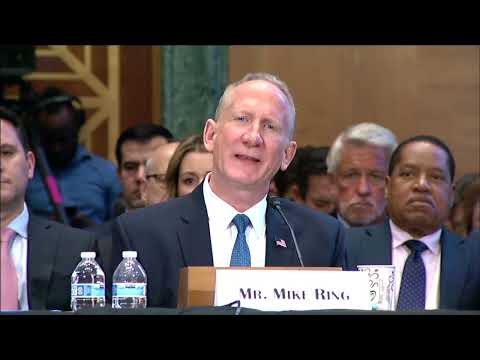
The discussion centered on three regulatory actions witnesses cited as contributing to the withdrawal of banking services: a January 2023 joint statement from prudential regulators urging banks to limit exposure to cryptocurrency activities; an FDIC Office of Inspector General disclosure about "pause letters" sent to financial firms between March 2022 and May 2023 asking firms to pause planned or ongoing crypto-related activities and provide additional information; and U.S. Securities and Exchange Commission staff accounting bulletin SAB 121. "To think that if you're holding a customer's crypto that you've got to book that as a liability and then put capital against it is ridiculous, and thankfully, that's been rescinded," Mr. Ring, a hearing witness, said about SAB 121.
Mr. Ring also criticized a supervisory guidance identified at the hearing as FIL-16-22, saying examiners interpreted it in a way that discouraged banks from serving as "on and off ramps" for legal crypto businesses. "If you're a legal crypto business, it's one thing that there could be some challenges holding a customer's tokens and keys. But to think you could not be that legal business's bank account was the real problem with FIL-16-22," Mr. Ring said.
Senator Scott asked Anchorage Digital to describe its experience. "Anchorage Digital has the honor of being the only OCC related federally chartered crypto bank in The United States," Senator Scott said, noting that a federal charter would be expected to ease access to traditional banking services. Mr. McCauley, an Anchorage Digital executive, said the charter has not prevented ongoing difficulties. He described the effect on firms and employees as "devastating," saying the industry felt a "betrayal of trust." "The most devastating part of this to the crypto industry has been that betrayal of trust," Mr. McCauley said, adding that the perceived "weaponization of government" had made companies "not just cautious, but leery of the entire system itself."
On how widespread the problem is, Mr. McCauley offered an anecdote from a San Francisco meetup of about 100 crypto founders, saying he asked for a show of hands and that "all the hands in the room went up," describing debanking as pervasive across the industry. Senator Scott and witnesses also discussed concrete business impacts, including difficulty making payroll and layoffs; Senator Scott referenced layoffs "going beyond the 20%" mark during his questioning.
The hearing recorded no formal regulatory action at the session. Witnesses urged restoration of legal clarity and predictable supervision so banks will again provide routine services to regulated crypto firms. The exchange highlighted industry calls for clearer regulatory guidance and for supervisory practices that do not, in witnesses' view, have the effect of cutting off firms from banking services.
No formal votes or committee actions were taken at this hearing; the exchange consisted of questioning by senators and testimony from witnesses and industry representatives.