Get Full Government Meeting Transcripts, Videos, & Alerts Forever!
Get email alerts on the Food Service Enterprise topic
No spam. Unsubscribe anytime.
Food-service fund stable but shrinking reimbursements, vending delays complicate planning
Summary
Administrators reported the nutrition/food-service enterprise fund ended FY24 with a net loss of about $56,000 but a $1.9 million balance; they flagged falling federal reimbursements, supply‑chain and vending‑equipment delays, and limits on how enterprise funds can be used.
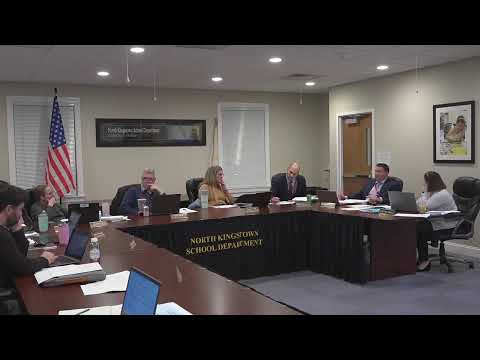
At the Feb. 4 budget workshop, district staff reviewed the enterprise accounts and focused on the nutrition/food-service enterprise fund, which is the only enterprise account the administration treats as a full budgeted operation.
Trisha, the staff presenter for enterprise accounts, said the food-service program closed fiscal 2024 with a near‑term operating loss of about $56,000 but carries approximately $1.9 million in fund balance. “Although we finished the year with a net loss of $56,000… the account itself has $1,900,000 in it,” she said.
Administrators warned the committee that federal reimbursements — a major revenue source — are projected to be lower in fiscal 2026. The presentation shows estimated federal reimbursement for next year of roughly $650,000 to $661,000, a decline from earlier budget assumptions. Staff attributed part of the change to altered student meal behavior at secondary schools (more a la carte purchases, fewer full reimbursable meals) and post‑COVID changes in certification/eligibility processes.
Vending machines were a second concern. The district budgeted vending revenue but administrators said the machines have been backordered: machines paid for but not yet delivered, with expected arrival around June. Staff said the vendor will bill and the district will pay this fiscal year but revenue will not be realized until machines are in service; the budget includes a projected $10,000 vending line that currently shows zero actual revenue because the machines have not been received.
Why it matters: the enterprise fund has a statutory constraint tied to federal/state program rules (RIDE net cash‑resource limits) and district policy that limits how much can be carried forward and how it can be used. The administration emphasized that some enterprise balances are intended for restricted uses and for specific grants, not for general operations.
Discussion vs. decision: the committee probed options to spend fund balance on one‑time capital such as kitchen equipment, vending purchases, or temporary student meals and asked administration to return with an explicit strategic spending plan showing priorities and timing. No formal vote occurred.
Next steps: staff will provide the committee with a more detailed breakdown of the enterprise fund projections, grant reimbursements and vending‑machine timelines, and will draft a recommended strategic‑spending plan that frames one‑time purchases versus recurring operating needs.