Get Full Government Meeting Transcripts, Videos, & Alerts Forever!
Get email alerts on the Naturopathic Licensure topic
No spam. Unsubscribe anytime.
Committee takes more testimony on proposed naturopathic licensure; board structure, scope and exclusions draw debate
Summary
The Labor, Health & Social Services Committee heard extended testimony on HB269, a bill to license naturopathic physicians by expanding the state acupuncture board and setting doctoral‑level education and examination requirements.
The Labor, Health & Social Services Committee heard extended testimony on House Bill 269, a measure that would add naturopathic medicine to Wyoming law by creating licensure, expanding the state acupuncture board and defining education requirements for a licensed naturopathic physician.
Representative Darren McCann, sponsor of the bill, said HB269 aims to provide an alternative primary‑care option and to “bring competition” into medicine by recognizing naturopathic physicians trained in accredited, four‑year doctoral programs. Doctor Thea Marks, a naturopathic physician and former Wyoming resident who testified in support, described naturopathic doctors as “trained as primary care providers through rigorous accredited doctoral programs requiring more than 4,000 hours of education and training.”
What the bill would do
The bill would amend the Wyoming Acupuncture Act to create a Wyoming Board of Acupuncture and Naturopathic Medicine, increase the board from five to nine members and add three licensed naturopathic physicians as board members. It defines an “approved naturopathic medical program” as a four‑year, graduate doctoral program with didactic and supervised clinical training accredited by a nationally recognized accrediting body and references the North American Board of Naturopathic Examiners.
Licensure requirements in the draft include graduation from an approved naturopathic medical program or licensure in another jurisdiction with substantially comparable standards, a board‑approved competency exam, fingerprinting and criminal background checks. The bill authorizes rules by the expanded board and includes disciplinary and reinstatement provisions.
Supporters and rationale
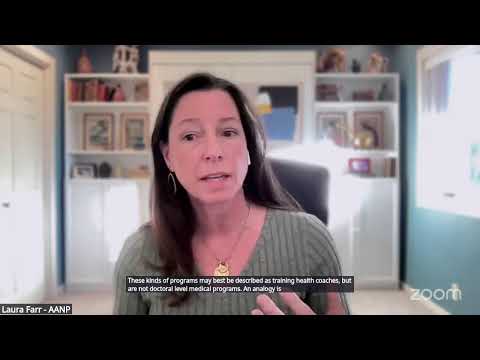
Proponents said licensure would increase access to primary care in rural areas, allow naturopathic doctors to be covered by insurance and create clear educational standards. Laura Farr of the American Association of Naturopathic Physicians told the committee licensure “is the framework that helps consumers distinguish between educational standards” and said licensure enables insurance and Medicaid coverage that can expand care in underserved communities.
Concerns from current Wyoming practitioners and regulators
Several Wyoming‑based practitioners and other witnesses opposed the bill as drafted. Speakers who identified as traditional naturopaths said HB269 would effectively exclude most existing Wyoming practitioners because it limits licensure eligibility to graduates of a small number of four‑year accredited programs (three programs were referenced during testimony) and would bar current naturopaths who use titles such as “doctor of naturopathy.”
Dan Young, a second‑generation naturopathic practitioner in Cheyenne, said the measure “would limit education accreditation, create monopolistic practices and impose unclear scope and rulemaking authority” and urged the committee to reject the draft. April Martinez and Shayla Slaugh, both naturopaths who testified against the bill, told the panel the proposal would erase professional titles used by experienced practitioners and could force clinics to close in rural communities.
Board capacity, fees and rulemaking issues
Chelsea Cortez, executive director of the Wyoming Board of Acupuncture, raised administrative concerns: combining acupuncture and naturopathic licensing would expand the board from roughly five members to nine and potentially create capacity and sustainability problems, given the small existing acupuncture licensee base. Cortez also flagged background‑check language that could prevent the office from issuing licenses until federal checks complete, which in practice can take months; she suggested conforming language already used in other practice acts.
Scope of practice and next steps
Committee members repeatedly pressed sponsors about scope of practice. Several lawmakers, including Representative Claxton and Representative Yen, said the bill’s draft defers scope decisions to board rulemaking and that lack of an explicit scope in statute makes it difficult to evaluate potential public‑safety implications. The sponsor and supporting witnesses said the board would set scope through rules and that those rules could be shared for further review.
The committee did not take final action. Chairwoman Rodriguez Williams announced that due to the volume of testimony and remaining questions the panel will carry HB269 over to a follow‑up meeting. Lawmakers said they intend to continue receiving public testimony and proposed rule drafts before considering the bill further.
Why it matters
HB269 would create a new licensure pathway that supporters say would raise education standards for primary‑care naturopathic physicians and expand access in rural Wyoming. Opponents say the draft would exclude many existing practitioners, create new licensing barriers, and leave important questions — including prescribing authority and the board’s rulemaking scope — unresolved. The committee’s decision to continue the hearing signals lawmakers will seek more information on scope, administrative capacity and consumer protections before deciding whether to advance the proposal.