Get Full Government Meeting Transcripts, Videos, & Alerts Forever!
Get email alerts on the Budget Taxes topic
No spam. Unsubscribe anytime.
Pueblo council hears options to raise revenue — sales-tax bump and food tax among ideas for ballot
Summary
City finance staff presented options including raising the local sales tax base, taxing groceries and stepped increases to temper sales-tax volatility. Council members debated affordability for residents, economic development alternatives and agreed staff has time to prepare ballot language by August if council chooses to pursue.
On Jan. 6, 2025, the Pueblo City Council received a presentation from city finance staff on options to increase municipal revenue to address a projected budget shortfall. The presentation outlined raising the local sales tax base, pursuing a new sales tax on groceries (food for home consumption) and other enforcement and compliance measures.
Valerie Colombo, who led the presentation, said Pueblo’s local sales tax rate that funds the general fund is 3% and that the city’s combined total tax rate is about 7.6%. She told council that a small incremental increase to the local base would generate additional revenue and that taxing groceries — a policy used by many Colorado home-rule cities — would produce steadier revenue than volatile retail sales taxes. Colombo presented modeled revenue scenarios showing a 0.5 percentage-point increase could yield roughly $3.9–4.0 million (based on 2023 gross sales) and that broader grocery-tax scenarios could generate materially larger sums depending on the rate chosen.
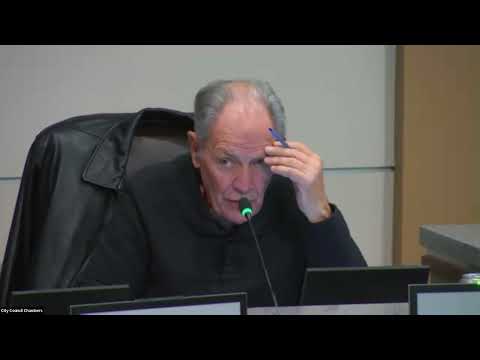
Council members framed the debate around two competing priorities: (1) how to avoid deeper cuts to services and staff while covering a multiyear deficit, and (2) the potential burden on low- and moderate-income residents. Councilor Gomez directly objected to new taxes on residents, saying she would not support further tax increases. Other councilors, including Councilor Martinez and President Aleph, said they wanted more information and suggested gradual, phased approaches and protections — for example, earmarking grocery tax revenue for capital projects or pairing new taxes with relief programs for low-income residents.
Finance staff also described other revenue measures already in use or under way: pursuing prepaid sales tax on city construction projects, voluntary disclosure agreements with businesses that failed to remit tax, targeted audits and active outreach to marketplace sellers and e-commerce vendors. Colombo said the city’s sales tax portal initiative (post-Wayfair) and compliance work have produced significant new revenue since 2020 and that the sales-tax division continues to pursue additional licensees and remittances.
Council discussed timing and next steps. Staff said ballot language would be required by August for a measure to appear on a fall ballot and that they would provide additional analysis, including draft language, revenue modeling and options to phase any change. Several council members pushed for parallel work on economic development and removing barriers to growth as alternatives to tax increases. No formal vote was taken at the meeting; staff were asked to provide more detail and bring options back to council for further consideration.
Quotes in the meeting included Valerie Colombo describing tax composition: “The machinery tax rate? 3% is for the general fund,” and Councilor Gomez saying, “I am not supporting any realistic increases on taxes at all,” (Councilor Gomez) reflecting council concern over resident affordability.
If council decides to pursue a ballot measure, staff will prepare ballot language, refined revenue projections and proposed use restrictions (for example, capital projects versus operations), and will return to council for a formal decision about placement on the ballot.