
DeKalb County holds off on proposed water and sewer rate increase; administration to prepare longer-term funding plan
Get AI-powered insights, summaries, and transcripts
Subscribe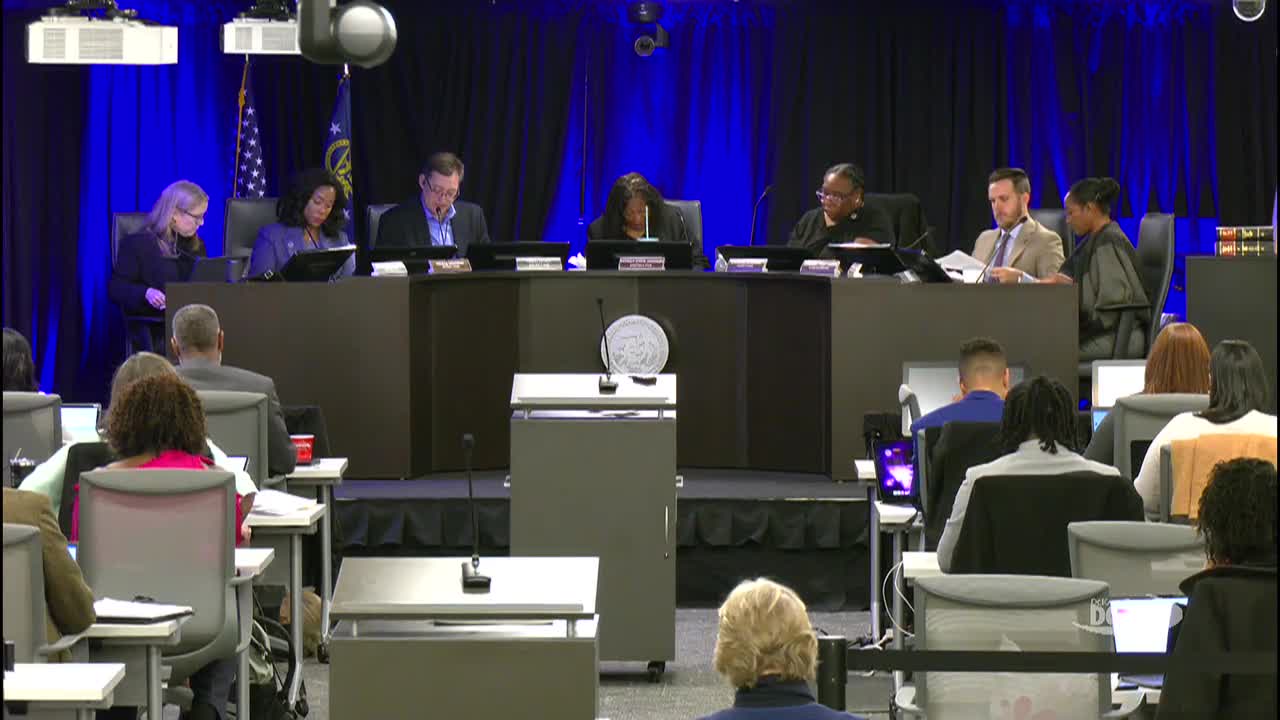
Summary
The committee deferred action on item 1326, the proposed water and sewer rate increases, after administration said it will return with a longer-term funding strategy and substitute proposal; commissioners called for equity analyses and more public outreach.
The DeKalb County Public Works and Infrastructure Committee deferred consideration of the proposed water and sewer rate increases (agenda item 2024-1326) and related equity measures during its meeting, with county officials saying a substitute, longer-term strategy will be returned to the committee.
Why it matters: The rate proposal and associated bond authorization affect household bills, commercial customers and the county—s ability to fund capital improvements in the water and sewer system. Committee members and staff emphasized the need for clearer long-term planning, equitable rate structures and expanded public outreach before adopting changes.
What the county said
Chief Operating Officer Williams told commissioners the 3-by-6 percent proposal that had been introduced was intended to address near-term needs but is not a long-term funding strategy. Williams said the administration will hold the item in committee and return with a substitute that aims to provide a longer-term approach to capital funding and reduce the need for annual rate requests. "I want to hold this whole item in committee. We will continue conversations with each of you individually...you should all anticipate a substitute when we come back," Williams said.
Commissioner questions and concerns
Commissioners sought more analysis and mitigation measures for residential customers on fixed incomes and asked whether a cost-of-service assessment could better align rates with actual system burden. Commissioner Bolton asked about a cost-of-service assessment to differentiate residential, small-business and larger commercial customers and called for evaluating impact fees and equity carve-outs for low-income residents. Commissioner Davis Johnson and others asked staff to model impacts on business recruitment if commercial rates or fees were increased.
Staff response and next steps
Staff said the current structure (tiers based on meter or pipe size) already creates some differential by usage, but a commercial per-gallon rate is not currently in the revenue sufficiency study and would require further analysis. The administration said it had begun briefing the CEO and new commissioners and responded to questions from town-hall participants and individual commissioners. The committee voted to defer the item for at least two weeks to allow staff to prepare additional analysis and a substitute recommendation.
Related items
Two related agenda items intended to address ratepayer relief or equity concerns (items 1357 and 1405) were also deferred for two weeks so they can be considered alongside the larger rate effort.
Ending
Committee members requested increased public outreach, including inserts with water bills and other informational materials, after several commissioners urged proactive communication about the need for rate adjustments and protections for vulnerable residents. Staff said they will continue briefings and return with a substitute proposal informed by additional analysis and community engagement.