
Kenai Peninsula Borough staff outline effects of updated FEMA floodplain maps for Kenai River
Get AI-powered insights, summaries, and transcripts
Subscribe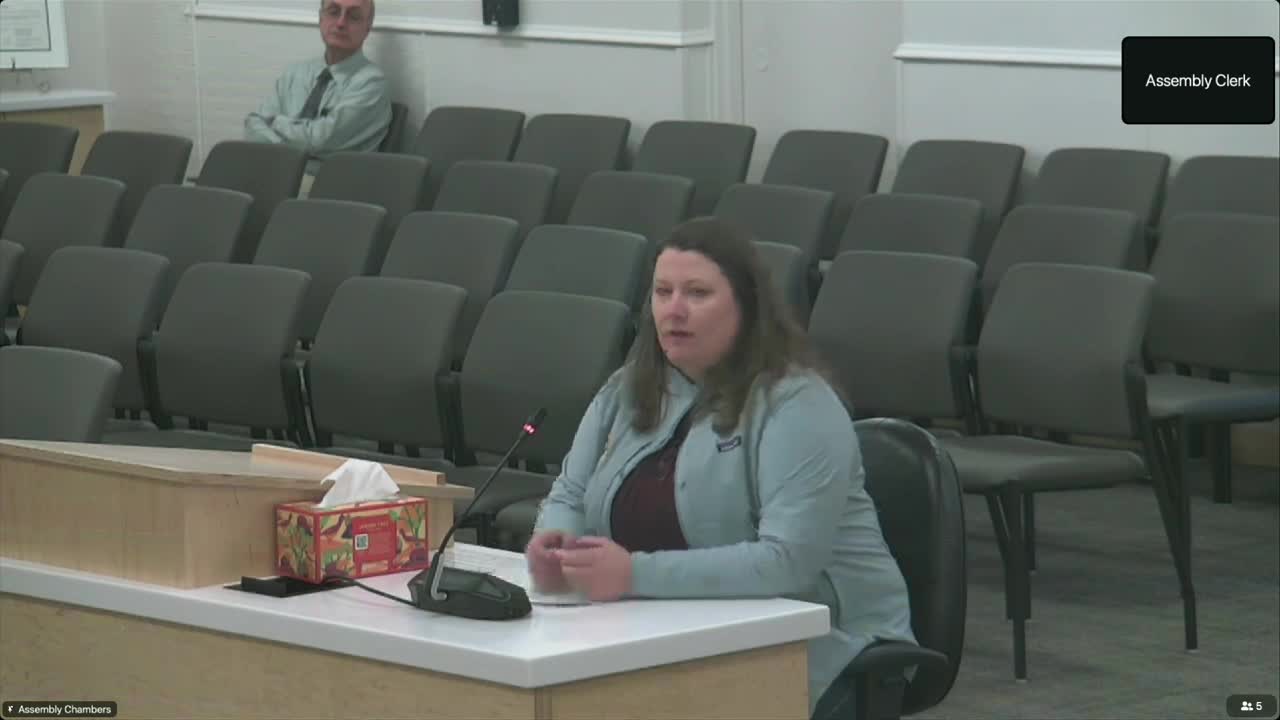
Summary
Samantha Lopez, manager at the River Center, told the Kenai Peninsula Borough Assembly in a work session that a forthcoming ordinance would adopt updated Federal Emergency Management Agency floodplain maps covering about 47 miles of the Kenai River, from Skilak Lake downstream to the inlet and including some tributaries.
Samantha Lopez, manager at the River Center, told the Kenai Peninsula Borough Assembly in a work session that a forthcoming ordinance would adopt updated Federal Emergency Management Agency floodplain maps covering about 47 miles of the Kenai River, from Skilak Lake downstream to the inlet and including some tributaries.
Lopez said the new maps replace data that in many places dates to 1981 and that the updated product is in a modern datum, contains aerial imagery and building footprints, and reflects a clearer delineation of flood risk. “What this ordinance is essentially going to do is adopt updated regulatory floodplain maps for 47 miles of the Kenai River,” Lopez said. She added that “the risk is already there, and the maps are just... showing that.”
Why it matters: the assembly was told the borough has been a participating community in the National Flood Insurance Program since 1986 and currently regulates development in the floodplain. Lopez said the borough has about 7,000 properties in the floodplain, roughly 3,000 of them on the Kenai River, and that flood-insured structures in the borough total about $46,000,000. Borough staff warned that if the assembly were to decline to adopt the maps or miss FEMA’s deadline, the borough could lose NFIP participation and associated benefits including federally backed mortgages, hazard mitigation assistance and eligibility for certain disaster funding.
Key technical points discussed included the difference between flood fringe and floodway. Lopez described the floodway as the channel area that must remain largely open to convey water and debris during a flood and said development within the floodway generally requires an engineering analysis demonstrating that proposed fill or structures will not raise flood levels on neighboring properties. “We’re gonna squish it until it goes up 1 foot. That’s where they decide that the floodway boundary is,” Lopez said, describing FEMA’s method for setting the boundary used in the modeling.
Several assembly members and attendees pressed staff on costs and timing. Lopez said engineering analyses for projects in the past cost roughly $20,000–$40,000 because of older, harder-to-use data but that digitized models have reduced typical analysis costs to about $12,000–$20,000. She also said FEMA reviewed field documentation from the borough about the 2023 Big Eddy event and characterized that flood as about a 10-to-15-year event in the borough’s comparison with FEMA modeling.
Eric Wachecky (staff member) noted the scale of potential consequences: he said losing NFIP participation could affect roughly 8,000 parcels across the borough and would remove FEMA assistance eligibility for disasters affecting properties in the floodplain. Borough staff reiterated that the borough could not delay or selectively exempt a subdivision from adopting the maps without risking sanctions from FEMA and a one-year removal from the NFIP.
Lopez summarized outreach done to date: presentations to the planning commission and assembly, an open-house at the River Center attended by about 50 residents and FEMA staff, and a 90-day appeal period that allowed property owners to submit formal appeals to FEMA. She said the borough sent photos and field notes from recent floods to FEMA and that FEMA’s modeling generally matched observed flood locations.
No formal action was taken at the work session. The discussion clarified technical differences between floodway and flood fringe, identified which neighborhoods would face stricter permitting as a result of the update, detailed potential financial implications for property owners who must obtain engineering analyses, and explained the borough’s limited options for delaying or exempting properties without losing NFIP participation.
The assembly adjourned the work session without a vote; staff said the matter would return to the assembly for any required ordinance action and that meeting materials and the letter of determination from FEMA set the timeline for next steps.