Get Full Government Meeting Transcripts, Videos, & Alerts Forever!
How Utah’s basic school program uses property tax, WPUs and a guarantee to equalize funding
Summary
Committee staff explained the mechanics of the minimum school program’s equalization: the basic levy, weighted pupil units (WPUs), the state’s revenue target (prior‑year budgeted revenue plus net new growth) and the voted-and-board local levy guarantee up to 20 increments. Members discussed rural impacts and possible program changes.
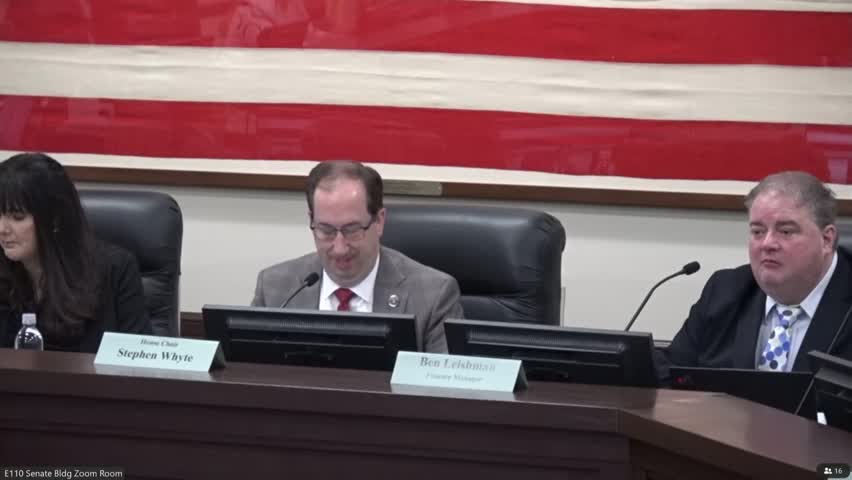
The Public Education Subcommittee received a detailed staff briefing Jan. 24 explaining how property taxes, weighted pupil units (WPUs) and state appropriations interact to fund the minimum school program.
Ben Leishman, a staff member who led the briefing, described the core statutory mechanics: the legislature sets an annual revenue target that the Tax Commission converts into an estimated basic levy rate. Leishman explained the statutory target is prior-year budgeted revenue plus net new growth (the change in taxable property value); that statutory target, when divided across statewide taxable value, yields the basic levy that every district must impose to participate in the equalization program.
Leishman used a three-district example to show how equalization works: with identical WPUs and program costs, districts with lower local taxable values receive greater…
Already have an account? Log in
Subscribe to keep reading
Unlock the rest of this article — and every article on Citizen Portal.
- Unlimited articles
- AI-powered breakdowns of topics, speakers, decisions, and budgets
- Instant alerts when your location has a new meeting
- Follow topics and more locations
- 1,000 AI Insights / month, plus AI Chat