Get Full Government Meeting Transcripts, Videos, & Alerts Forever!
Get email alerts on the Zoning Protest Petitions topic
No spam. Unsubscribe anytime.
Wyoming panel raises threshold for zoning protest petitions, limits who can block development
Summary
The Senate Appropriations Committee amended and passed Senate File 40, raising ownership and distance thresholds for zoning protest petitions and specifying that changes apply only to protests filed after July 1.
The Senate Appropriations Committee on Wednesday amended and approved Senate File 40, a bill that changes how local protest petitions can delay or overturn municipal zoning decisions.
Senator Garoo, sponsor of the bill in the committee, told members the measure came from the interim regulation reduction task force and was intended to reduce the ability of single large landowners or small groups to derail developments. "The bottom line here is before it was felt that 1 large landowner could stymie a subdivision," Garoo said, adding the bill was aimed at supporting housing development.
The measure replaces the current 20% protest threshold with an ownership-based test tied to property area or adjacency. As introduced, the bill required owners who could demonstrate a "concrete and particularized harm" and who either own 50% or more of the area of lots included or who comprise 50% or more of the owners immediately adjacent within a distance of 500 feet to trigger petition protections. Committee amendments reduced the ownership threshold in several lines to 33% and reduced the adjacency distance from 500 feet to 300 feet. The bill also states changes would apply only to protests filed on or after July 1.
Multiple witnesses representing builders, municipal organizations and business groups testified in favor of the bill, saying the existing supermajority requirements after protest petitions can prevent housing projects. Mike Martin of Cheyenne and Cindy Delancey, a task force member, described prior cases in which petition thresholds made approvals uncertain; Delancey noted the bill would not affect petitions already in process. Dan Dorsch, representing the Southeast Wyoming Builders Association, cited a Cheyenne example in which a petition led a council vote to fall short of a supermajority and a 200-unit project failed to advance.
Several committee members pressed for adjustments. Senator Larson proposed dividing and amending the bill into three parts—lowering the ownership percentage to 33%, raising the governing-body vote threshold to two-thirds (a proposal later withdrawn), and changing notice distance to 300 feet—then the committee voted separately on the parts they considered. Senator Smith and Senator Driscoll voiced support for reducing the 500-foot notice radius to 300 feet and emphasized private property rights.
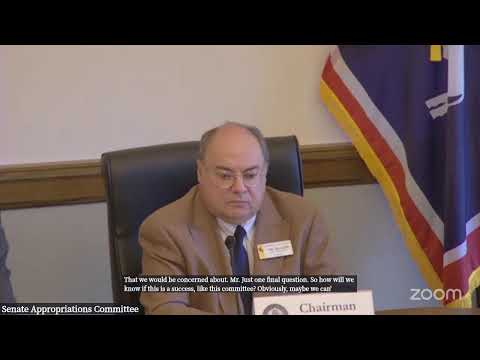
The committee voted on the amended bill by roll call. Senators Driscoll, Garou, Larson, Smith and Chairman Salazar all recorded aye votes. The measure passed out of committee.
Supporters said the changes aim to provide developers and local governments greater certainty while preserving a pathway for public protest; opponents and some committee members expressed caution about trimming protections for neighbors. The bill specifies that any change in the adjacency measurement excludes the width of streets or alleys when computing distances.