Get Full Government Meeting Transcripts, Videos, & Alerts Forever!
Get email alerts on the Land Use Horses topic
No spam. Unsubscribe anytime.
Residents cite flies, odor and runoff as city reviews stable use on residential lot
Summary
At a public hearing on a zoning application for a horse stable, neighbors described long-running problems with flies, urine odor, lights and stormwater runoff. Staff outlined permit conditions used to limit impacts; no formal vote was recorded in the transcript.
At a public hearing on a zoning application for a horse facility, neighbors told city officials that flies, a persistent urine odor and runoff from the property are harming nearby yards and creating a health nuisance.
Residents said the problem has grown worse in recent years and asked staff to require stronger maintenance and monitoring. Planning staff described the permitting rules the city uses for small stables and outlined conditions that would be applied if a special use (UBOR/UFOR) is approved.
Why it matters: The hearing centered on whether the property can continue or expand use for horses under the city's small-stable rules. Neighbors said uncontrolled manure and urine are creating flies and an offensive smell in adjacent yards; staff said the city can attach conditions to a permit such as required off-site manure removal and routine pest-control measures.
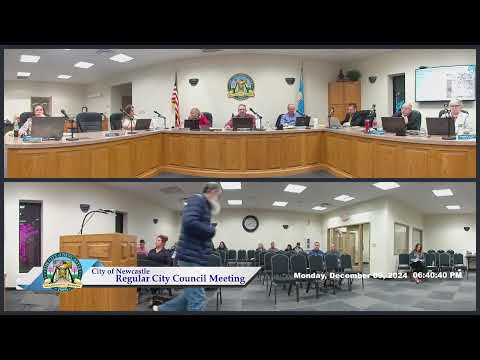
At the hearing, resident Jeff Lambert (20247 Mulberry) described multiple years of what he called an increasing fly problem and "a stench of urine" that fills his garage and patio. "It's really bad," Lambert said. "I've been getting that concern about that. This spring and summer is bad." He told the panel he had discussed the issue with attorneys and said he planned to pursue legal remedies if the problem continued.
Resident Alicia Allen said lights installed near a barn had produced direct glare onto homes and asked whether the city could require improved shielding and different locations for exterior fixtures. Allen said she had seen some improvement after the owner moved lights but still raised traffic and maintenance concerns on Hyatt Road near the property.
Property representatives and owner'affiliated speakers said they regularly remove stall waste and use bedding intended to control urine odor. A city staff speaker described standard permit conditions the department recommends for small stables in residential-edge areas: weekly off-site manure removal, automatic fly spray systems in critical locations, use of individual paddocks and a plan for stall-bedding materials that reduce odor. Staff also offered the option of a recorded stipulation that a future buyer must follow the same permit conditions.
Staff clarified technical limits in the code: the small-stable allowance under the E3 district (as discussed at the hearing) applies only to horses and to lots in the 5-to-10-acre range for the specific UBOR path; other livestock or larger-scale operations must meet different standards. Staff said the planning rules include a per-animal dry-stall sizing metric discussed at the hearing: 600 square feet per animal was cited in staff comments as the basis for calculating allowed capacity, and that figure scales to "6,000 for the horses" when applied to a 10-horse example used in the discussion.
No formal vote or final permit decision is recorded in the portions of the transcript provided. Staff and commissioners discussed several enforcement and compliance paths if permit conditions are not met: code compliance steps, opportunities to cure violations, and potential removal of the permit if the property remains out of compliance after notice and process.
The hearing record shows several neighbors asking for site visits and for staff to confirm whether runoff reaches a nearby creek and whether a state DEQ (Department of Environmental Quality) study would be required; staff said DEQ studies are not generally required for small equestrian operations unless the activity rises to the scale of a large agricultural operation. The transcript also records questions about whether the permit attaches to the property when sold; staff said the UBOR would run with the land but the city could require a signed acknowledgement from a new owner as a condition.
The discussion concluded with staff reiterating standard mitigation measures and with residents pressing for stricter enforcement and monitoring to address flies, odor and light intrusion. The transcript does not show a final action or vote.