Get Full Government Meeting Transcripts, Videos, & Alerts Forever!
Get email alerts on the Education Budgeting topic
No spam. Unsubscribe anytime.
Goose Creek CISD projects tighter 2025–26 budget, flags potential impacts of proposed voucher law
Summary
District officials presented a preliminary 2025–26 budget overview and warned that a state voucher proposal and flat average daily attendance could deepen deficits, forcing further reductions absent new state funding.
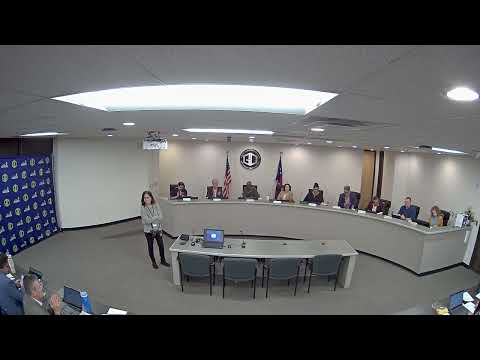
Goose Creek CISD officials told the board on Monday that the district expects continued budget pressure for the 2025–26 school year and that proposed state legislation could significantly affect local revenues and services.
In a presentation to the Goose Creek CISD Board of Trustees, Miss Clark (business office presenter) said the Texas Senate’s voucher proposal — identified in the presentation as Senate Bill 2 — would shift funding formulas and create a substantial fiscal note for the state. The district’s slide deck cited a fiscal estimate that voucher spending could rise from about $1 billion in the current biennium to roughly $4 billion by 2030. Clark warned that the bill, as drafted by the Senate, would set a $6,500 per‑student basic allotment for public schools while offering about $10,000 per student for private school vouchers.
"This is the time of year that you've all been waiting for, budget prep season," Clark told trustees, adding that the district was monitoring legislative proposals and planning the local budget timeline around uncertain state action.
District leaders said the board previously adopted a small deficit for the current 2024–25 budget year (about $1.8 million) and that the district is relying in part on one‑time Chapter 313/capital improvement fund transfers to smooth short‑term costs. Clark said one‑time funds (identified in the presentation as approximately $13.5 million in Chapter 313 and related one‑time items plus a roughly $1 million workers’ compensation surplus) could reduce near‑term pressure but would not solve recurring revenue shortfalls. Even after one‑time offsets, Clark said the district would still face a projected deficit for 2025–26 that would require further reductions unless the legislature provides new, ongoing revenue.
Clark quantified potential consequences: if the board used one‑time funds to reduce the immediate shortfall, the district would still face a gap of about $6.2 million heading into the 2026–27 budget year — roughly equivalent, she said, to eliminating about 39 full‑time positions at the district’s estimated $45,000 average salary.
Trustees asked about the timeline and contingency planning. Clark walked the board through a budget calendar that includes internal reduction committees, a proposed budget reduction presentation on March 3, a requested board approval of a reduction plan on April 7, and final budget adoption later in the spring. She reminded trustees the district must adopt a budget under current law even while legislative proposals are pending.
Board members and administrators also raised concerns about increasing audit activity and retroactive adjustments. Clark said recent Office of Inspector General audits have produced significant clawbacks in some districts and that several audits affecting Goose Creek CISD remain under appeal; the district is concerned about the potential effect on fund balance if audits are finalized.
Why it matters: Goose Creek CISD’s budget relies heavily on average daily attendance (ADA) and payroll — two factors Clark identified as the primary budget drivers. With flat or slightly declining ADA and rising costs, the district said it may need additional staff or program reductions in 2025–26 unless the legislature provides new recurring funds or the district identifies recurring local revenue.
The board did not take action on budgeting items at Monday’s meeting; the presentation was an informational overview and signaled staff will return with proposed reduction plans and compensation recommendations for trustee consideration.