Get Full Government Meeting Transcripts, Videos, & Alerts Forever!
Get email alerts on the Online Gaming topic
No spam. Unsubscribe anytime.
Tribal leaders tell committee online casino bill would harm tribal revenue and raise regulatory gaps
Summary
Representatives of the Northern Arapaho and Shoshone tribes told the House TRW committee they oppose House Bill 162 to authorize interactive online casino gaming, citing revenue loss to tribal casinos, anti‑money‑laundering and geofencing enforcement concerns and addiction risks; the committee deferred further action to a future meeting.
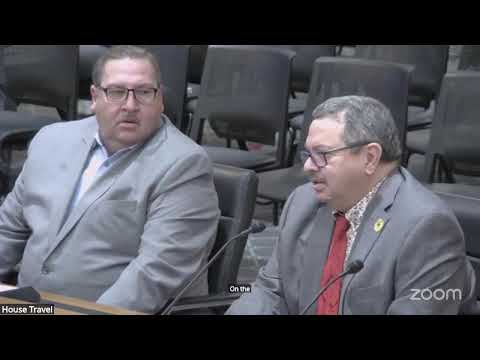
Members of the Northern Arapaho and Shoshone tribal councils and counsel told the House Travel, Recreation, Wildlife & Cultural Resources Committee they oppose House Bill 162, which would legalize interactive online casino gaming in Wyoming. Tribal representatives urged the committee to reject the bill or to substantially strengthen regulatory and public‑safety safeguards.
Rosenbro Smith (identified in testimony as representing the Northern Arapaho Business Council) said the tribe has operated casinos in Wyoming for nearly two decades under federal secretarial procedures and a compact with the Eastern Shoshone. He said the tribe depends on gaming revenue to fund tribal government programs and that statewide expansion of interactive gaming risks reducing tribal revenue and jobs: “Wyoming dollars need to stay in Wyoming,” he said, asking lawmakers to vote no on the bill.
Clinton Glick, a member of the Shoshone Business Council, said the bill would cut tribal revenues that support tribal services and resiliency programs.
Claire Johnson, attorney for the Northern Arapaho Tribe, listed regulatory gaps she said the bill raises: cybersecurity and geofencing (to prevent play on tribal lands), stronger anti‑money‑laundering (Title 31) enforcement, consistent and stringent licensing standards, measures to detect and block minors on gaming platforms, and policies to address problem gambling and the expanded 24/7 availability of online games. She also urged parity in tax rates across gaming formats.
Committee members agreed to continue work on this bill at a future meeting; the chair said the item would be taken up early next week so witnesses who had traveled could return. No final committee vote was taken during the session.
Testimony and documents provided to the committee were the basis for this report; the committee did not reach a final disposition on the bill during the hearing.