BART director outlines service improvements, fare and funding plans and parcel‑level planning at Dublin/Pleasanton station
Loading...
Summary
BART Director Melissa Hernandez briefed the Pleasanton City Council on ridership, cleanliness and safety initiatives, the agency’s ‘tap and ride’ rollout, and the regional SB 63 funding measure; she also previewed Transit-Oriented Development planning for the Dublin/Pleasanton station.
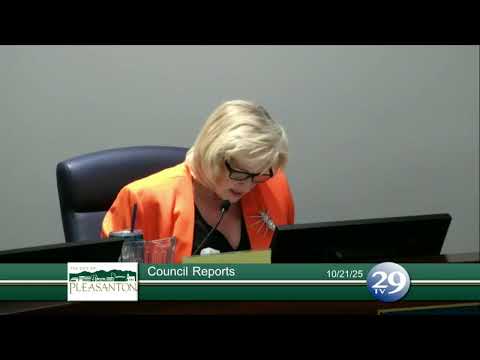
BART Director Melissa Hernandez gave Pleasanton’s City Council an overview of recent system investments and future plans on Oct. 21, highlighting cleanliness and safety improvements, a growing “tap and ride” contactless payment program and preparations for transit‑oriented development at the Dublin/Pleasanton station.
Hernandez described several operational and rider‑experience changes since the pandemic, including doubling the rate of deep train‑car cleaning, re‑opening station restrooms and adding crisis intervention specialists and transit ambassadors to address quality‑of‑life and safety concerns.
Why it matters: Hernandez said BART’s operating model faces long‑term fiscal pressure from reduced peak ridership and lower return‑to‑office rates. She urged local leaders to watch SB 63 (Connect the Bay Area Act), signed Oct. 13, which authorizes a regional transportation ballot measure in 2026 that would raise revenue for transit operations and county transportation projects.
Major highlights Hernandez gave - Ride experience: Rider satisfaction is at its highest level in a decade; the agency has doubled deep cleaning of train cars and reopened restrooms closed during COVID. Hernandez said 80% of respondents in a recent survey would recommend BART to family or friends. - Fare enforcement and tap and ride: BART completed the installation of new fare gates at 50 stations and 700+ gates and reported a drop in reported fare evasion. “Tap and ride” usage now accounts for a growing share of trips (staff cited early metrics of 7.9% of trips in a recent period). - Equity passes and pilot programs: BART proposes fare‑discount programs (for youth, low‑income riders, seniors and people with disabilities), a BayPass pilot for employer passes and a regional transfer discount that could save riders an estimated $1,250 per year under the next‑generation Clipper rollout. - TOD planning: Hernandez said BART is requesting developer proposals for a Transit Village at Dublin/Pleasanton station and anticipates proposals by 2028–29; she said the station plan could include roughly 8–1,300 units with at least 20% affordable housing alongside retail and public plaza improvements.
Council questions and local concerns Council members asked about parking requirements at future transit‑oriented housing. Hernandez acknowledged state changes to parking requirements in some places but urged balancing resident needs and riders who drive to BART. She and staff encouraged early coordination with BART planning staff on parking and access needs and said BART will work with cities to shape TOD plans.
Funding note Hernandez stressed BART’s funding shortfall prospect for fiscal 2027 and cited SB 63 as an important regional proposal to sustain transit operations. She described coordinated county‑level work through Alameda County Transportation Commission to distribute revenues among counties and local projects if the measure is approved by voters.
Ending Hernandez told the council she welcomes local engagement on station planning and offered BART staff assistance to help Pleasanton plan for the Dublin/Pleasanton station TOD. Councilmembers thanked her for the update and raised parking, safety and long‑term funding as topics for further staff coordination.