
Student representative outlines ‘Thrive Together’ peer-led mental-health initiative for Portsmouth schools
Get AI-powered insights, summaries, and transcripts
Subscribe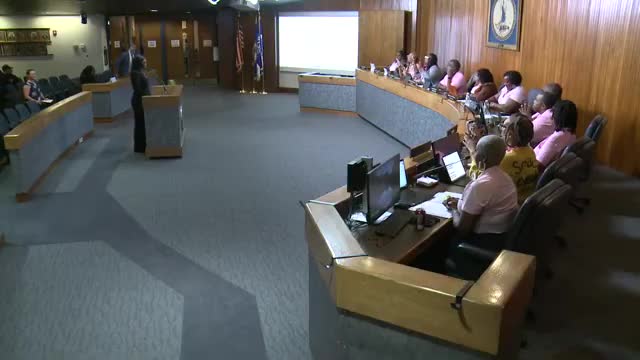
Summary
Alexis Daughtry, the district student representative, described a student-led Thrive Together program that will train peer wellness ambassadors, hold monthly 30–45 minute ‘Thrive Talks,’ and connect students to Hazel Health telehealth services.
Alexis Daughtry, the student representative for Portsmouth Public Schools, told the school board on Oct. 23 that a student‑led initiative called Thrive Together will focus on mental-health support, substance‑use prevention and reducing chronic absenteeism.
Daughtry said Thrive Together will recruit peer wellness ambassadors by application through principals and guidance counselors, and those ambassadors will lead monthly “Thrive Talks” — 30 to 45‑minute student‑led discussions on mental health, coping strategies and substance‑use prevention. The initiative will also connect students to Hazel Health telehealth counseling services, Daughtry said.
Why it matters: Students described mental health and substance‑use struggles as a contributor to chronic absenteeism. The proposal emphasizes peer support and early intervention, and the student representative asked the board for continued support and invited board members to Thrive Talk sessions once they are running.
Details from the presentation: Daughtry said the program will use a mood‑mapping activity and other low‑barrier strategies to allow students to share how they feel and learn short coping strategies. The program aims to expand student leaders, track student belonging and link improvements in belonging to attendance and engagement.
Board response: Several board members praised the presentation during the question period, noting the program’s potential synergy with peer recovery and intensive outpatient approaches; one board member asked for an invitation once the program is up and running.
Ending: Daughtry asked for continued support for student voice and wellness; the transcript records positive board feedback and no formal vote on the initiative during the meeting.