Get Full Government Meeting Transcripts, Videos, & Alerts Forever!
Get email alerts on the School Operations topic
No spam. Unsubscribe anytime.
Parents, teachers and students press GRPS board on attendance, safety, special education and staff support
Summary
During the meeting's public-comment periods, speakers urged the board to address chronic absenteeism, improve communication about drills, streamline special-education processes, and increase staff compensation and retention.
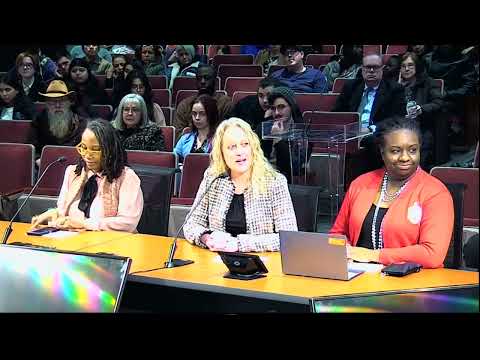
Multiple parents, teachers and students used the board's public-comment periods on Jan. 13 to raise recurring operational concerns about Grand Rapids Public Schools, including chronic absenteeism, inconsistency in notifications about safety drills, delays in special-education plans and understaffing.
Parents and teachers described high chronic absenteeism in some schools and asked the district to enforce attendance policy consistently. A classroom teacher reported having one student absent 26 days and said district practice that distinguishes "excused" from "unexcused" absences weakens schools' ability to enforce attendance and pursue truancy remedies.
Several speakers asked for better two-way communication with families about emergency drills after a new naming and protocol change for lockdown drills. A first-year teacher reported feeling publicly reprimanded after a lockdown drill in a building where staff had not received the updated guidance documents. The vice president of the Grand Rapids Education Association (GREA) asked the district to distribute updated drill guidance to all staff and to discuss the changes at staff meetings.
Teachers described administrative delays on IEP/504 processes and inconsistent follow-up. One parent said it took more than a year to receive a 504 plan for two children and contrasted that with a neighboring district where the process moved promptly. Resource and special-education teachers reported high caseloads (one cited 20 students) and said additional work forms and pay approvals have been slow or rejected in some cases.
Speakers also raised concerns about transportation operations, calling for a district-controlled transportation system in the long term and a director of transportation on the district payroll. Other comments urged the board to consider staff compensation and retention as a route to stabilize classrooms.
Board members acknowledged the concerns and directed district leaders to follow up with specific staff and community contacts. The superintendent said district leaders are aware of many of these operational issues and invited commenters to connect with building leaders and central office staff for follow-up.