Disability Council Urges Better Standards and Reimbursement for Non‑Emergency Medical Transportation
October 27, 2025 | 2025 Legislature MA, Massachusetts
This article was created by AI summarizing key points discussed. AI makes mistakes, so for full details and context, please refer to the video of the full meeting. Please report any errors so we can fix them. Report an error »
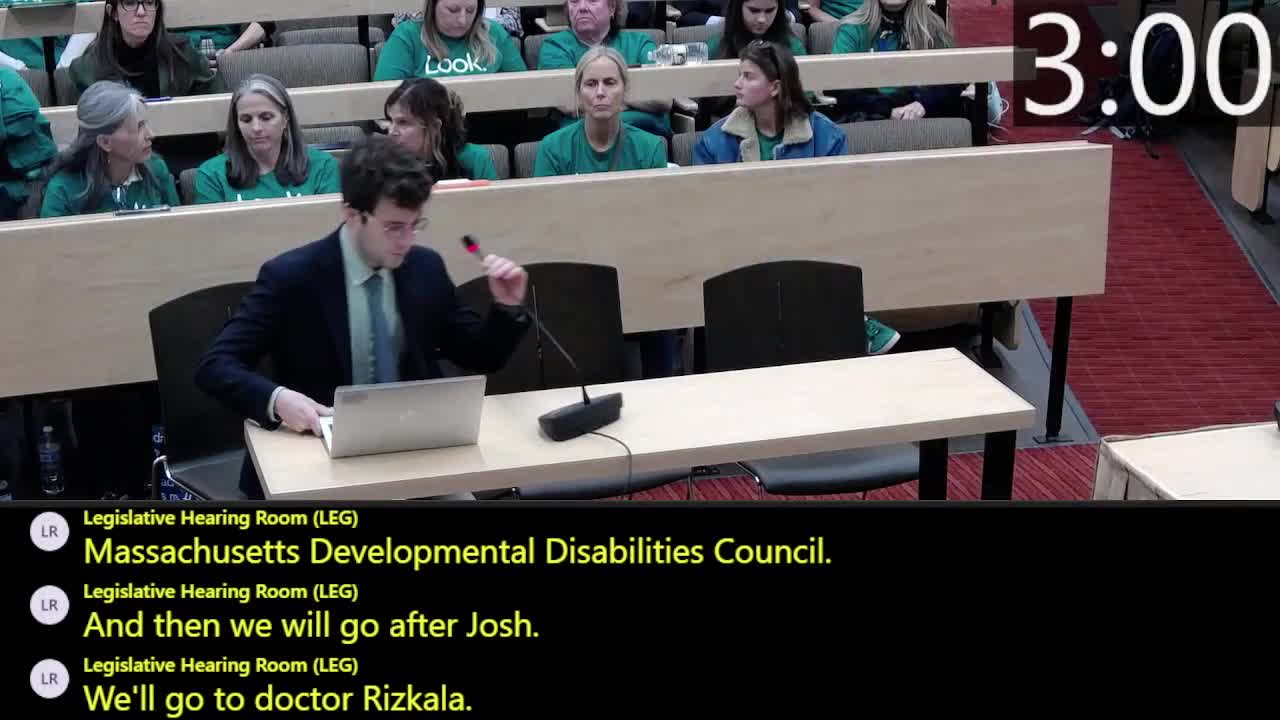
Josh Gladstone, a disability policy specialist at MDDC, said available research and stakeholder conversations point to transportation as a critical determinant of access. MDDC recommended that insurance authorizations for transportation be valid for at least three business days and urged Medicaid and other payers to increase reimbursement for non‑public ambulance providers by a multiple (the testimony cited 2.5x) of standard rates to retain drivers and vehicles.
MDDC cited personal stories from citizens who have been stranded or delayed and warned that NEMT gaps disproportionately affect people with disabilities and rural residents. The testimony also requested a study of current reimbursement levels to ensure workforce retention for drivers and aides who provide this vital service.
The committee received the testimony and accepted a written copy for the record; no final action was taken at the hearing.
Don't Miss a Word: See the Full Meeting!
Go beyond summaries. Unlock every video, transcript, and key insight with a Founder Membership.
30-day money-back guarantee
Sponsors
Proudly supported by sponsors who keep Massachusetts articles free in 2026

