Get Full Government Meeting Transcripts, Videos, & Alerts Forever!
Get email alerts on the Animal Welfare Pet Shops topic
No spam. Unsubscribe anytime.
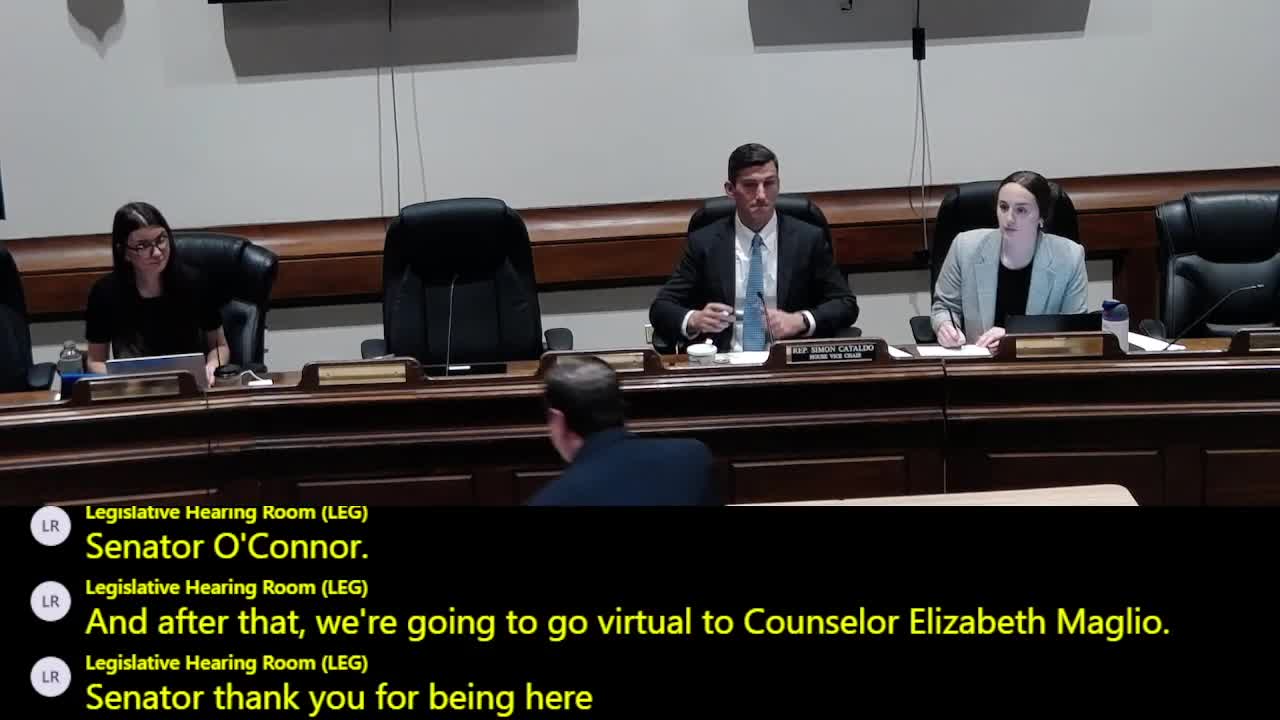
Witnesses split over bills to ban retail sale of dogs, cats, rabbits in Massachusetts pet shops
Summary
The committee heard intense testimony both for and against multiple bills (H.967, S.650, S.651, H.4319 and related measures) that would restrict or ban retail sale of dogs, cats and rabbits in pet stores; supporters cited puppy‑mill sourcing and consumer protection, opponents warned of lost small businesses and unintended consequences.
Lawmakers took oral testimony on several companion bills that would restrict or ban retail sale of dogs, cats and rabbits in Massachusetts pet shops, with a steady stream of residents, animal‑welfare groups and industry representatives offering sharply divergent accounts of sourcing, consumer harm and local economic effects.
Proponents — including the MSPCA, Humane World for Animals, city councillors and animal‑welfare advocates — said commercial pet shops remain a primary distribution channel for animals from large scale commercial breeders ("puppy mills") and brokers who obscure origins, and that sales lead to animal suffering and consumer harm. "Puppies that originate from USDA licensed puppy mills are taken from their mothers at a very young age, making them vulnerable for a wide range of medical and behavioral issues," said Michelle Shaw of Humane World for Animals.
Several residents recounted buying sick puppies and incurring large veterinary bills. Carrie Thomas testified she bought a puppy later hospitalized for pneumonia and that the store’s offer to exchange the animal did not address the resulting vet costs. Other advocates described municipal ordinances already in effect in a number of Massachusetts towns and urged the committee to extend similar protections statewide.
Opponents included pet‑industry groups, breeders and retailers, and some family advocates who warned a ban would punish legitimate small businesses while driving the demand underground. Lisa Clements of the Pet Advocacy Network said licensed pet stores provide consumer protections — warranties, inspections and records — not available from unregulated online brokers or underground sellers; she cited California experience in which some retailers reported an increase in scams after a local ban. Other speakers, including breeders and the American Federation of Agriculture representative, said responsible breeders would be hurt and accused proponents of producing regulatory overreach.
Several witnesses urged compromise approaches: requiring full source disclosure, phasing in rules, grandfathering existing stores, or limiting new pet shops from selling cats, dogs or rabbits while allowing adoption partnerships with rescues. Legislators heard that municipal experience varies; at least a dozen Massachusetts communities have enacted local restrictions.
No committee vote was taken. Sponsors and stakeholders indicated they would submit written materials and ordinance language for the record.
Authorities and clarifications: witnesses repeatedly cited USDA inspection records, local municipal ordinances that prohibit retail sales of commercially bred animals, and the state’s public health rules that govern sale and adoption processes; the committee requested documentary evidence and FOIA records referenced in testimony.
Outcome: testimony recorded; no formal vote at hearing.