Get Full Government Meeting Transcripts, Videos, & Alerts Forever!
Get email alerts on the Local Taxation Sales Tax topic
No spam. Unsubscribe anytime.
Mayor outlines half-cent sales tax proposal to fund sidewalks, housing and parks
Summary
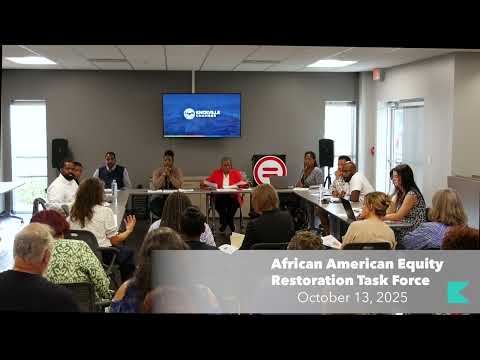
Knoxville Mayor presented a proposed half-cent local sales tax increase and neighborhood investment plan to the African American Equity Restoration Task Force, describing projected revenue, exemptions and targeted uses including sidewalks, parks, streetlights, facilities and affordable housing.
Knoxville Mayor India told the African American Equity Restoration Task Force on Monday that city leaders are proposing a half-cent local sales tax increase to fund a neighborhood investment plan that would pay for sidewalks, parks, streetlights, community facilities and affordable housing.
The proposal, the mayor said, is estimated to generate about $47,000,000 a year and is structured so grocery purchases would be exempt. "This proposal will not have any impact on the cost of groceries," the mayor told the task force. She said the city would also exempt prescriptions, utilities, rent, gas and certain other necessities.
The mayor framed the plan as an equity-centered funding tool. She said the plan allocates an equitable share of funds to every city district and includes specific maps that identify sidewalk work and other projects for the first five years. "Every district in the city gets an equitable portion of these funds," she said.
City staff described the investments the revenue would support: repairs and upgrades to community centers and fire halls (HVAC, gym floors), additional miles of street resurfacing, sidewalks and safety improvements, and funding to support creation and preservation of affordable housing. The mayor said the city currently paves about 36 miles of streets per year and that the proposal would allow the city to add about 15 miles of pavement maintenance annually.
City officials emphasized that much of the burden would fall on shoppers who visit Knoxville but do not live in the city, and that private investment often follows municipal investment. "For every $1 city taxpayers put in, private investors, private partners put in 15," the mayor said. She estimated that the half-cent would cost a typical low- to moderate-income household roughly $5 to $7 per month and gave small examples of impacts on consumer purchases — a $27 T-shirt would carry an extra 13 cents, a 12-pack of toilet paper an extra 3 cents, and a $1,600 vehicle purchase would add about $8, she said.
Task force members asked how the city ensured equitable distribution across districts and what items would be exempt; the mayor pointed to district-specific maps and said all project details and district sheets are available on the city website in PDF form. Members also raised concerns about impacts on vulnerable households and asked the task force to review the proposal through an equity lens. The mayor invited the task force to help "share accurate information" about exemptions and local impacts.
City staff said the council has adopted a trigger and that the sales tax increase would go into effect automatically if conditions in that ordinance are met. Staff also said the proposal is not a change to grocery taxation and that the state imposes caps that limit local tax on certain large purchases.
The presentation concluded with the mayor saying the proposal was difficult politically because it asks residents to "raise taxes on themselves," but that the expected revenue would support widely used infrastructure and housing needs. The task force did not vote or take a formal position during the meeting.