Get Full Government Meeting Transcripts, Videos, & Alerts Forever!
Get email alerts on the Veterans Housing Infrastructure topic
No spam. Unsubscribe anytime.
Veteran housing classification, sewer rehab and flood‑insurance urged during public comment
Summary
A veteran advocate asked the council to classify veterans as a protected group for public housing set‑asides and to press the state and federal government for sewer rehabilitation and flood‑insurance programs; speakers said funds are available but action is needed to secure them.
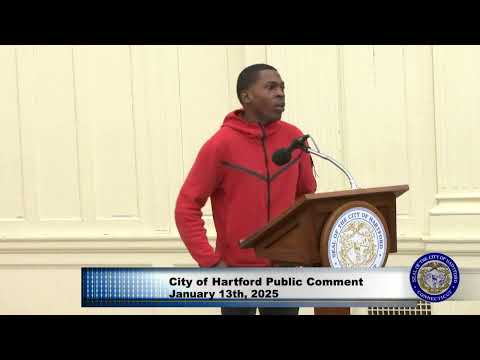
Bridget Prince, a veteran and Hartford resident, urged the City Council to pursue three priorities: add veterans as a classification in public‑housing regulations, require developers receiving public funds to set aside units for veterans, and push state and federal leaders to pursue infrastructure funds for sewer rehabilitation and flood mitigation.
Prince said she had received correspondence from a state legislator, Senator Martha Markey (referred to in testimony as the chair of the housing commission), confirming outreach to housing authorities and the veterans’ committee on the issue. She asked council members to consider a local resolution or referral requiring developers who receive city financing to reserve units for veterans.
Why it matters: Prince said many veterans face homelessness, mental‑health challenges, joblessness and other social needs that public housing set‑asides could address. She told the council the city should pursue available federal infrastructure funding to complete long‑needed sewer rehabilitation work, and called for improved flood‑insurance options for residents whose property and contents are not covered under current FEMA policies.
City follow-up and context
Cynthia Jennings and other speakers urged the council to support environmental‑justice and infrastructure funding efforts at the state and federal level, including proposals discussed by the governor and legislative leaders. Council members did not record a formal vote; speakers asked the council to coordinate with state representatives and relevant agencies to pursue funding and regulatory changes.
Ending
Advocates requested the council explore a resolution or policy tying city financing to veteran set‑asides and to press state and federal partners on sewer rehabilitation and expanded flood‑insurance coverage; council staff were asked to follow up with the advocates and legislative contacts.