Get Full Government Meeting Transcripts, Videos, & Alerts Forever!
Get email alerts on the Education Health topic
No spam. Unsubscribe anytime.
Supporters urge state guardrails on school start times to improve adolescent sleep, health and achievement
Summary
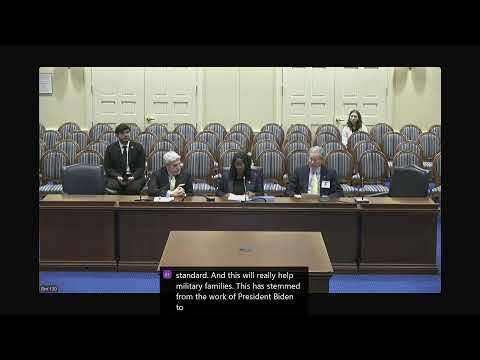
House Bill 10‑15 would set minimum healthy start‑time parameters (no elementary before 8:00 a.m.; no middle/high school before 8:30 a.m.). Sponsors and a broad coalition of medical experts, parents and advocacy groups told the committee that later start times improve student health, safety and academic outcomes and urged a favorable report.
Delegate April Miller presented House Bill 10‑15, the "Happy Healthy High Schoolers Act," proposing statewide guardrails on school start times to align instruction with adolescent sleep biology. The bill sets a baseline that no elementary school start before 8:00 a.m. and no middle or high school start before 8:30 a.m., with flexibility for districts to implement schedules within that floor.
Sponsors and witnesses — including sleep researchers, pediatricians, county PTA leaders and student speakers — cited decades of research showing adolescent circadian phase delay, endorsed by the American Academy of Pediatrics and other medical groups, and described associations between insufficient sleep and higher rates of depression, anxiety, injuries, poorer academic performance, lower graduation rates, and increased absenteeism.
Student witnesses described waking and bus pickup times in the 5 a.m.–6 a.m. range and attributed migraines, concentration problems and illness to chronic sleep loss. County PTA and transportation consultants testified that updated routing and outside consultants had allowed some jurisdictions (Anne Arundel, Howard) to change bell times without dramatic costs; witnesses argued perceived transportation obstacles can be addressed with technical routing solutions and flexible vehicle options.
Opposition was not recorded in the hearing; several delegates asked technical questions about impacts on athletics, childcare and bus operations. Witnesses and advocates said those operational questions can be managed and cited examples of jurisdictions that changed times with limited fiscal impact.
No committee vote was recorded; sponsors urged lawmakers to adopt statewide guardrails to ensure equitable sleep health for Maryland students.
Why it matters: the bill would set statewide minimums for start times to address public‑health and academic concerns about adolescent sleep deprivation and would create operational changes for many school districts if enacted.