Get Full Government Meeting Transcripts, Videos, & Alerts Forever!
Get email alerts on the Declarant Control Captains Cove topic
No spam. Unsubscribe anytime.
Residents tell Virginia housing work group developer 'declarant control' left community without local control
Summary
Residents and the declarant at Captains Cove gave opposing accounts of who should pay for infrastructure and who controls the homeowners association after decades of developer involvement.
At a meeting of the Local Land Use and Community Living Work Group, residents of Captains Cove and counsel for the property’s current declarant described divergent accounts of how developer ("declarant") control affected the Eastern Shore subdivision’s roads, utilities and governance.
"For the last 13 years, our current declarant, CCG Note LLC, and their associate, Tim Hearn, have controlled our community and have changed its dynamics," said Theresa Birkhead, who identified herself as a resident and speaker selected by the community, describing alleged transfers of common areas, water and sewer facilities, and disputed loans.
Birkhead and several Captains Cove residents told the panel the association has been asked to pay for infrastructure that they said the developer should have completed or maintained and complained about board elections and governance structure that left homeowners without meaningful control. "None of us signed any papers that said we would take on the responsibility of a declarant," Birkhead said.
Mark Baumgartner, an attorney representing CCG Note LLC, told the work group the community faced unusual development and financial challenges beginning when the developer went bankrupt after the 2008 housing market collapse. Baumgartner said many lots were held by the declarant, the private wastewater utility servicing the community required larger scale investment, and the successor declarant took actions intended to stabilize the utility and attract builders and buyers. He said the association now has about 2,900 dues-paying members, 1,300 homes and 26 miles of paved roads.
Residents testified with specific examples of disputes: foreclosures, transfers of association-owned lots, a $3 million “self-finance” loan recorded in a 2012 settlement, allegedly limited road construction, and repeated claims that board elections were decided by declarant-related votes. Several testifiers said they had no effective local remedies; many described repeated attempts to use the state ombudsman and court system without satisfaction.
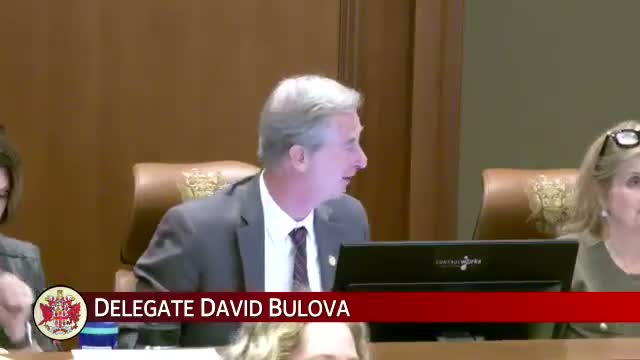
Several members of the work group acknowledged that Virginia statute provides different transition rules for condominiums versus property owners’ associations and that some states have tiered statutory limits on how long a declarant can retain control. Chair Delegate David Bulova proposed a small stakeholder group to examine possible statutory responses and implementation pathways; he invited the Virginia Municipal League, the Community Associations Institute, local government representatives and home builders to participate.
Ending: The work group did not propose immediate legislation but formed a subgroup to study declarant-control laws and possible statutory remedies. The subgroup will report findings and potential draft language to the larger work group for further consideration.