Get Full Government Meeting Transcripts, Videos, & Alerts Forever!
Get email alerts on the Facilities Serrano Stadium topic
No spam. Unsubscribe anytime.
Snowline trustees approve Serrano stadium synthetic turf and track, hire architect and lease interim classrooms
Summary
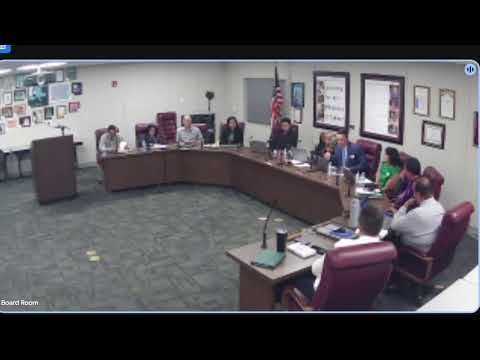
Snowline Joint Unified School District trustees unanimously approved plans on Oct. 21 to move forward with a Serrano High School stadium modernization that includes a synthetic turf field and a synthetic track, authorized architectural design services and approved a two‑year lease for 14 mobile modular units to house students during construction.
Snowline Joint Unified School District trustees unanimously approved plans on Oct. 21 to move forward with a Serrano High School stadium modernization that includes a synthetic turf field and a synthetic track, authorized architectural design services and approved a two‑year lease for interim modular classrooms to house students during construction.
The board voted 5–0 to contract Go Architects for the stadium and track design and later approved a $570,000 two‑year lease for 14 mobile modular units intended as interim classroom space while Serrano modernization work is completed. Chief Business Officer Bill Flynn told the board the engineer’s cost estimate for the combined project is roughly $8.6 million; Flynn said the estimate includes required Americans with Disabilities Act work around the stadium and related parking and circulation changes.
Why it matters: trustees said the stadium is both a high‑profile community facility and a site with persistent maintenance problems that limit safe use. Board members and district maintenance staff told the board that continued heavy community and youth use of the stadium makes a long‑term fix urgent and that the Measure J bond funds and state modernization grants make now a practical time to proceed.
Board discussion and public input centered on cost, long‑term maintenance and timing. Richard Dawson, director of maintenance and operations, urged the trustees to approve synthetic turf and a resurfaced track, saying the field is used so heavily that “it is almost impossible to keep it nice without limiting use on it. I strongly encourage you to make the decision to let us install the synthetic track and artificial turf field so the field can continue to be used by all.”
Trustees heard technical briefings from Bill Flynn and from district staff who said vendor proposals include an eight‑year manufacturer warranty on the turf installation and a planned lifecycle replacement of the infill/rubber surfacing that the district expects to budget at about the 10–12 year mark. A vendor representative explained that typical manufacturer guidance is a 10–12 year useful life for installed synthetic turf, and that proposals often include an eight‑year service/installation warranty and periodic resurfacing of rubber infill.
A summary of the key votes and approvals: - Approval of architectural services with Go Architects to develop Serrano stadium schematic designs and construction documents for a synthetic turf field and synthetic track (motion approved 5–0). The board then instructed staff to proceed with bidding and schedule work to use the summer construction window where possible. - Authorization to lease 14 mobile modular classroom units (mobile/modular portables) for two years as interim housing during Serrano modernization (motion approved 5–0). Flynn said purchasing comparable new units would have cost roughly $2.1 million; the lease quote for units that meet local snow‑load requirements was about $570,000 across the two‑year term. - Acceptance of the first meeting report of the newly formed Citizens’ Bond Oversight Committee (CBOC) and acknowledgement that the State Allocation Board is preparing to release modernization funds tied to Serrano; the district said it will need to bid approximately $10 million in state funds within 90 days of release to meet state requirements.
Other board actions taken at the same meeting (all approved unanimously): adoption of McGraw Hill Inspire Biology for high school, procurement of Panorama Education software for PBIS/MTSS/student supports, contract authorizations for transcript services (Parchment/Instructure), and approval of school plans for Chaparral and Snowline Academy (with staff corrections to numeric baselines to be submitted as amended). These items were presented as agenda items and the procurement motions carried, with trustees saying the purchases align with the district’s instructional and student‑support priorities.
Trustees stressed continued community access to any upgraded stadium. Member Lefevre said he supported the turf and track “because it brings pride” and because the community will continue to use the field; others agreed but emphasized rules and procedures to protect the new surface during non‑sport uses such as graduation ceremonies.
What’s next: with design authorization in place, staff said they will (1) refine construction estimates and bid documents (Ledesma Mayer provided a planning estimate for Serrano that contributes to the $8.6 million figure), (2) proceed with bidding once documents are complete and state funds have been released, and (3) stage installation to minimize interruption to the school year. Staff also recommended that the board consider subsidizing protective coverings for graduation and other large events and examine footwear and use policies to limit field damage.
Trustees and administrators repeatedly noted that Measure J bond funds, plus upcoming state modernization allocations referenced by district staff, created a window of opportunity for multiple campus modernizations across the district; Serrano’s stadium project is the first major facility project the district intends to bid and deliver under that program.