Get Full Government Meeting Transcripts, Videos, & Alerts Forever!
Get email alerts on the Parks And Recreation topic
No spam. Unsubscribe anytime.
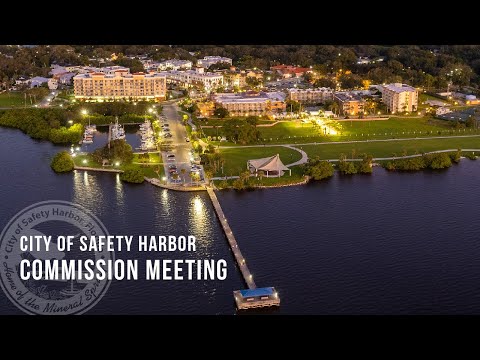
Commission asks staff for report on park chemical use after debate over synthetic treatments at Waterfront Park
Summary
Commissioners raised health and environmental concerns over synthetic pesticides and fertilizers used in city parks — especially Waterfront Park — and directed staff to report on which locations receive synthetic treatments, alternatives, and possible changes to product approvals.
Commissioners pressed city staff on Oct. 6 for details about what pesticides, fertilizers and other lawn treatments are used at city parks after a lengthy public exchange about Waterfront Park and other high-use green spaces.
A commissioner questioned whether Waterfront Park and some dog-park turf require synthetic products and expressed concern about long-term health and environmental effects on people and pets who use the parks. Staff said the written treatment plan is part of the contract and that the contract specifies no use of certain materials and only materials approved by the U.S. Environmental Protection Agency. Staff said many sites are treated with organic options but some locations — notably Waterfront Park and some dog parks — require synthetic treatments because of the type of turf or pest pressures.
Public-works staff and city arborist Robert Moser explained that the dog-park treatments include a granular insecticide to control fleas and ticks, which Moser identified as an active ingredient commonly sold for garden use; he described the product as effective and applied in a granular form. Staff said Waterfront Park’s turf requires some synthetic inputs while most other parks rely primarily on organic materials.
Commissioners requested a staff memo and a brief report outlining: which parks receive synthetic treatments, the specific products (active ingredients) used in each location, the written treatment plan language in the contracts, and the possible effects of switching to organic-only approaches for particular turf types. The commission also asked staff to outline options and the operational impacts of changing specifications, as well as what it would take to provide alternatives in high‑use areas where people often sit or children play.
Staff agreed to provide the requested memo and to include a description of what would happen to turf-management outcomes if different products were used. Commissioners suggested the report should include alternatives, anticipated costs and timelines. The report will also note locations where the city requires synthetic treatments because of turf type or safety considerations.
The discussion followed approval of the pest-control and lawn-treatment contract renewals in the consent agenda; the commission did not reverse those approvals but asked staff for a follow-up analysis.