Get Full Government Meeting Transcripts, Videos, & Alerts Forever!
Get email alerts on the Public Safety topic
No spam. Unsubscribe anytime.
Committee broadens swatting statute to target calls that trigger law-enforcement dispatches
Summary
The committee approved language expanding the state’s swatting offense to include conduct that causes dispatch of law-enforcement officers and creates fear in the target; the change clarifies how the crime can be prosecuted when false reports provoke a tactical response.
The Senate Corrections and Criminal Law Committee unanimously advanced an expansion of Indiana’s swatting statute to make clear that a false report that causes law-enforcement dispatch — and that results in fear, terror or intimidation in the targeted person — falls within the existing offense.
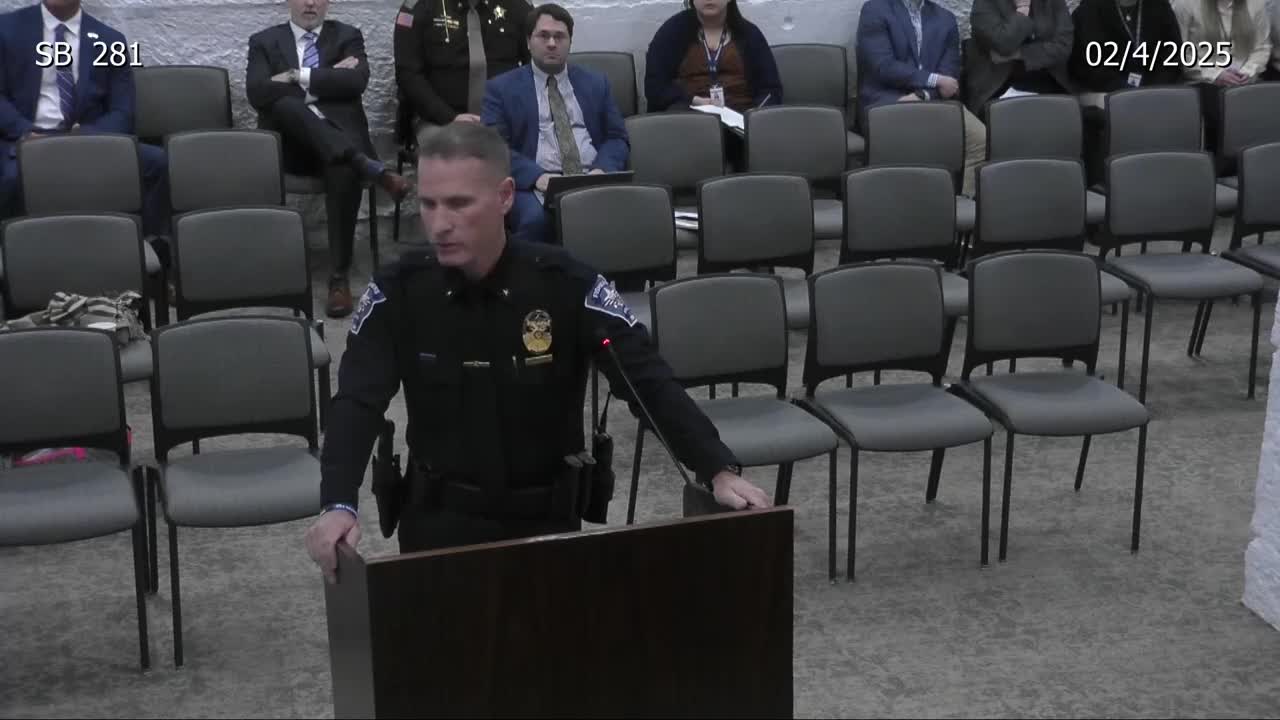
Chair Gerry Freeman said the amendment does not increase the statutory penalty but clarifies the conduct that can be charged when a caller makes a false emergency report that triggers a police response. “The new language would include causing the dispatch of one or more law‑enforcement officers,” Freeman said.
David Sklar of the Jewish Community Relations Council testified in support, saying Jewish community institutions around the country have been frequent targets of false emergency reports. “Across the country, Jewish community organizations and institutions like Jewish community centers and synagogues are regularly the victims of these swatting attempts,” Sklar told the committee.
Committee members noted the bill borrows language used in stalking statutes to define when a target would reasonably feel terrorized, frightened or threatened. The committee passed the amendment and advanced the bill by a recorded vote of 9–0.