Get Full Government Meeting Transcripts, Videos, & Alerts Forever!
Get email alerts on the Sex Offenses topic
No spam. Unsubscribe anytime.
Committee advances bill to eliminate statute of limitations for certain sex crimes after debate on level-four child-molest provisions
Summary
Lawmakers advanced a bill to remove the statute of limitations for level-3 sexual offenses and related offenses; prosecutors warned the current draft could unintentionally shorten time limits for some level-4 child molest charges and the sponsor pledged a second-reading amendment to preserve existing protections.
The Senate Corrections and Criminal Law Committee voted unanimously to advance a bill that would remove the statute of limitations for some sexual-offense categories, a measure advocates said would allow survivors to pursue justice regardless of how long they wait to report.
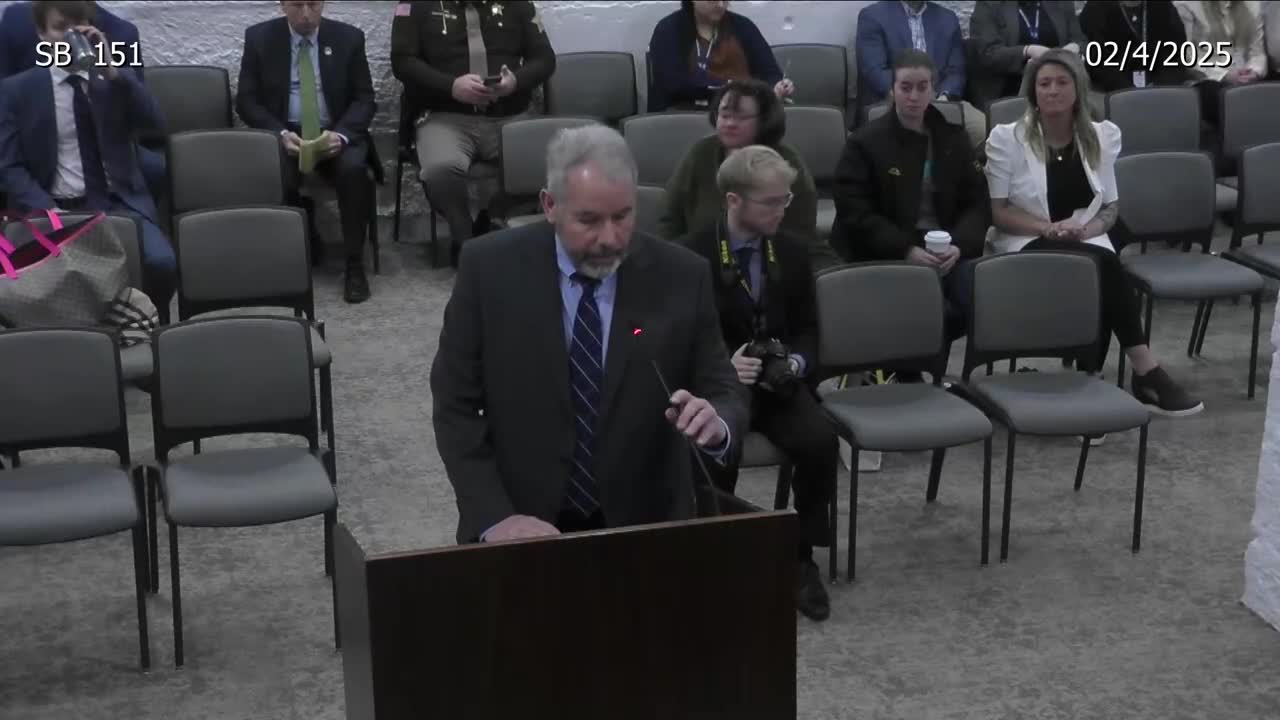
Senator John Alexander introduced the bill, which the committee was told comes without changes from last year. Survivors’ advocates urged the committee to pass the bill. “Survivors of sexual violence deserve the opportunity to seek justice in the legal system no matter how long that takes,” Beth White, president and CEO of the Indiana Coalition to End Sexual Assault, said.
Prosecutors and public defenders both raised technical objections to the current draft. Chris Daniels of the Indiana Prosecuting Attorneys Council warned the bill’s current language would eliminate the statute of limitations for level-3 child-molestation offenses but—because of other drafting changes—could inadvertently revert some level-4 child-molestation counts to a five-year limitation, shortening the time available now (which extends to age 31 for victims). Daniels said that would remove eligibility for prosecution in many cases and create difficult proof issues.
Joel Winnecke of the Indiana Public Defender Council opposed the bill as drafted, citing the defense challenges created by decades-old allegations and a desire to explore a latches defense that might protect defendants where delay was caused by the state. He suggested a statutory defense that addresses prejudice to the accused when conviction is sought many years after the alleged offense.
Senator Alexander and committee leaders acknowledged the drafting problem. Chair Gerry Freeman told prosecutors he would work with the sponsor to file a second-reading amendment to retain the current age-31 allowance for level-4 child-molestation offenses and to address cross-references.
The committee voted 9–0 to advance the measure with the sponsor’s commitment to fix the drafting before second reading.