Get Full Government Meeting Transcripts, Videos, & Alerts Forever!
Get email alerts on the Wildlife Management Airport topic
No spam. Unsubscribe anytime.
Beaver activity ponds near Norwood Airport spark safety and jurisdiction questions; commission offers technical support but not funding
Summary
Commission heard airport concerns about beaver dams and ponding that attract waterfowl and could pose aircraft bird‑strike risks; commissioners declined to commit town conservation funds but agreed to help connect airport staff with technical experts and noted that any in‑water work would require commission review.
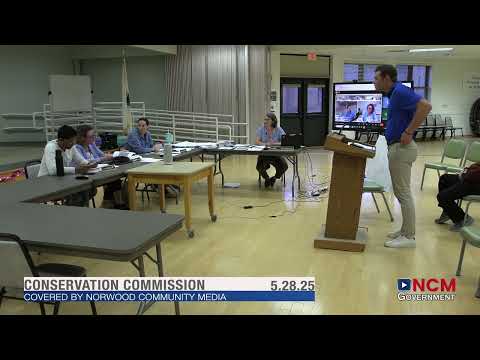
Airport manager Mark Raven told the commission the beaver lodge and small dam adjacent to the taxiway and runway have created ponded water that could attract waterfowl and increase bird‑strike risk. “The ponded water is of concern to the airport because of the potential to attract waterfowl, which could fly up and, impact aircraft,” Raven said.
Commission discussion focused on options: trap and remove beavers (noting state/local constraints and Board of Health denial of an emergency trapping certificate), install a water‑flow device to control pond level, or try non‑lethal deterrents such as flagging. Conservation staff reported mixed feedback from contractors and experts: some firms warned that water control devices can reduce ponding but may not eliminate waterfowl attraction, while others recommended devices but lacked immediate availability. Staff also noted that installing a water‑flow device or otherwise breaching dams would constitute regulated work in jurisdictional wetlands and would require a filing, permitting, or an emergency certificate as appropriate.
Commissioners said the airport should pursue technical options with airport and state experts; Carly (conservation agent) offered to connect airport staff with contacts experienced in beaver management at larger regional airports. Commissioners expressed reluctance to use commission funds for airport mitigation, noting the airport’s responsibility and other agencies’ roles, but agreed to review any formal application for in‑water work and to provide technical guidance. The board of health had earlier concluded that trapping did not meet its threshold for an emergency action, per testimony at the meeting.
No motion or vote to authorize trapping or removal was taken at the meeting. The airport and the conservation agent will pursue contractor contacts and additional options; any work in wetlands will be subject to commission review and applicable state/local permits.