Get Full Government Meeting Transcripts, Videos, & Alerts Forever!
Get email alerts on the Comprehensive Plan Selection topic
No spam. Unsubscribe anytime.
County interviews planning firms for comprehensive plan; Marvin Planning presents engagement-focused approach
Summary
Coffey County held an interview with Marvin Planning Consultants (with FHU partner) as part of a competitive process for a countywide comprehensive plan; the firm emphasized community engagement, transportation expertise and grant-readiness.
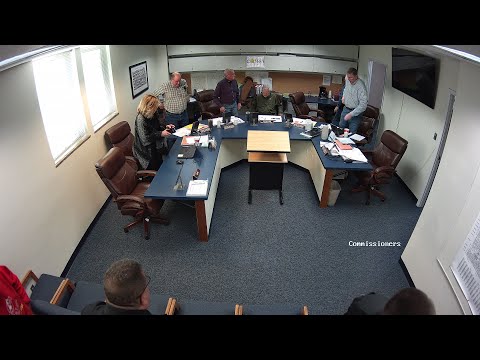
Coffey County commissioners heard a presentation and question-and-answer session Jan. 21 from Marvin Planning Consultants and partner firm FHU (Filmburg Holtsenullovich) as part of the county’s review of proposals to write or update a county comprehensive plan.
Keith Marvin, owner of Marvin Planning Consultants, introduced the firm’s team and described a process that emphasizes broad public engagement, a four‑phase plan structure (existing conditions, future trends, vision/goals and actionable policies) and deliverables that can be used for grant applications and zoning updates. He said the firm typically uses a combination of in‑person multi‑day engagement “blitzes,” postcards, online surveys and mapped crowd‑sourcing tools to gather public feedback.
FHU consultant Jesse Porter described transportation, trails and infrastructure work the firm would provide, including safety and funding‑opportunity analysis and transportation policies that align with county road‑maintenance realities. The presenters discussed how the plan would integrate housing, energy (noting Coffey County’s existing energy mix), economic development and natural‑resource chapters.
Why it matters: A comprehensive plan sets long‑range policy and can form the basis for grant applications, zoning updates and capital‑investment priorities. Commissioners said they want a practical document that county staff can use administratively and that supports decisions on roads, utilities and energy projects.
What the consultants proposed: Marvin described a 12–18 month timeline with a multi‑day field engagement period, 4–6 town hall meetings, focused stakeholder sessions, two open‑house review events for proposed policies, and deliverables in editable formats for county staff. The firm gave examples of previous county plans it prepared, including an Ellis County plan that won a county‑division award from the American Planning Association.
Questions from commissioners covered sample steering‑committee sizes (the presenters suggested 8–20 members), how the consultants monitor evolving federal and state grant windows, and how the team would tailor outreach to farm/ranch communities and small towns. The presenters said they will use local meeting schedules and events to improve turnout and will accept both web and hard‑copy survey responses.
Outcome and next steps: The interview was one part of the evaluation process. Commissioners agreed to distribute the three proposals received and schedule a review on the agenda at an upcoming work session. No contract was awarded at the Jan. 21 meeting.