Get Full Government Meeting Transcripts, Videos, & Alerts Forever!
Get email alerts on the Public Safety Trespass Law topic
No spam. Unsubscribe anytime.
Police explain differences between trespassing and unlawful lodging, urge property owners to enroll in no‑trespass program
Summary
Long Beach Police Department detailed legal distinctions between trespass and unlawful lodging (commonly called squatting), described a local no‑trespass (602) program to streamline enforcement, and said a city event will help property owners enroll.
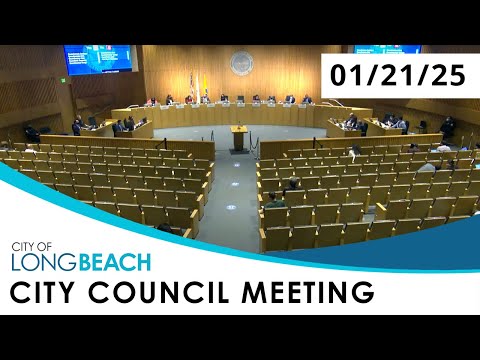
The Long Beach Police Department briefed the City Council on Jan. 20 about how officers respond to trespassing and unlawful lodging incidents and encouraged property owners to enroll in the city’s no‑trespass program.
Bureau Chief Ruby Marin Jordan and Police Chief Wally Hebeish told the council that criminal trespass and unlawful lodging have different legal elements and typical defenses. They cited California law distinguishing trespass — entering or remaining without permission — from unlawful lodging, which generally requires evidence of sleeping or setting up sleeping arrangements. Chief Hebeish introduced the department presenter and Marin Jordan detailed legal elements and enforcement practices.
Staff described administrative challenges when trespasses are reported after hours and the property owner cannot be present to sign a private‑person arrest form. To address that barrier, the department described a local “602 program” that allows property owners or authorized agents to pre‑register properties so officers can warn, cite or remove occupants without the owner needing to be on site for each incident. The no‑trespass form is valid for one year; staff told the council the city will co‑host an event with the city prosecutor’s office in February to help residents and business owners enroll.
Council members asked how the program applies when owners live out of state and whether an owner’s notification can be timely if trespassing is discovered later; police answered that circumstances vary but said the pre‑registration program and documentation of ownership or intent to prosecute can make enforcement more straightforward. Chief Hebeish and Marin Jordan also explained how adverse possession claims require continuous occupancy, payment of property taxes and a five‑year period; the department cannot take enforcement action where a civil right of possession or adverse possession claim has matured.
Public commenters during the item raised homelessness‑related concerns and services; council members and staff said the presentation was intended to clarify law enforcement options and encourage property owners to use the city’s enrollment process.