Get Full Government Meeting Transcripts, Videos, & Alerts Forever!
Get email alerts on the Rail Safety topic
No spam. Unsubscribe anytime.
Maryland Railway Safety Act hearing spotlights train‑blocking, wayside detection and two‑person crews
Summary
House Bill 958 would restrict how long trains can block grade crossings, limit maximum train length, require modern wayside detectors and strengthen hazardous‑material reporting to first responders, according to sponsor testimony on Feb. 20.
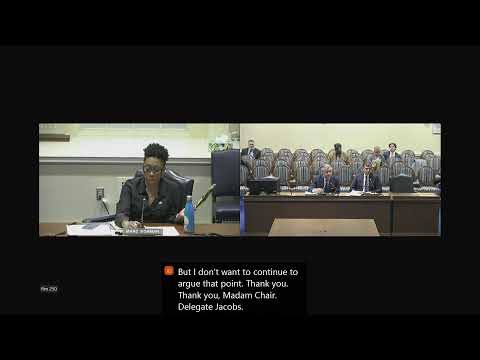
Delegate Stein (sponsor) presented House Bill 958, the Maryland Railway Safety Act of 2025, to the House Environment and Transportation Committee on Feb. 20, proposing several rail safety measures: (1) prohibit trains from blocking highway‑rail crossings for more than five minutes; (2) cap train length at 8,500 feet; (3) require wayside detector systems to be installed, operated, and maintained under U.S. Federal Railroad Administration guidance; (4) create reporting systems for hazardous materials movements to first responders; and (5) include a two‑person crew requirement that would take effect only if a federal requirement is revoked.
Sponsor testimony repeatedly referenced the February 2023 East Palestine, Ohio, derailment and its public‑health consequences. "A provision in this bill would require wayside detector systems to be installed, operated, and maintained according to guidelines issued by the Federal Railroad Administration," the sponsor said, arguing such equipment and standards might have prevented that derailment.
Rail labor and several railroad employees supported the bill. Tom Cahill of CSX, and multiple conductors and SMART union representatives recounted derailments and close calls, urging modern detection equipment and better first‑responder notification systems. Brian Perry and other conductors described situations in which trains blocked multiple crossings and said limiting block time and maximum train length would reduce hazards and allow traffic and emergency vehicles to cross.
Freight railroads CSX and Norfolk Southern opposed several provisions. CSX counsel Brian Hammock and Norfolk Southern representative Sean Malone argued the bill would conflict with federal law and be preempted, would impair Port‑of‑Baltimore operations and international trade, and would disrupt interstate rail operations. CSX submitted a map showing port rails and crossings that the company said could not be occupied for more than five minutes without disrupting operations for imports and exports.
Testimony also discussed hazardous‑materials reporting. Conductors and first‑responder witnesses said real‑time manifests and reliability problems with apps like AskRail meant firefighters and police may lack timely or usable information during a derailment; witnesses urged a robust state reporting mechanism for first responders.
Committee members raised operational questions on how uncoupling and moving trains would work at blocked crossings, the practical effect of a 8,500‑foot train cap on Port of Baltimore commerce and whether federal preemption would prevent the state from imposing some requirements. Sponsor and union witnesses said most freight operations already use two‑person crews and that the bill’s two‑person language would only take effect if an FRA rule were revoked; railroads disputed the need for state action given current federal rules and collective bargaining commitments.
Ending: The committee heard extensive, sometimes technical testimony from labor, rail companies, local officials and first responders and did not vote. The hearing highlighted strong safety and emergency‑response concerns together with freight rail economic and preemption issues that lawmakers will need to reconcile.