Get Full Government Meeting Transcripts, Videos, & Alerts Forever!
Get email alerts on the Code Enforcement topic
No spam. Unsubscribe anytime.
Commission approves first reading of a vacant commercial building registration ordinance
Summary
The city advanced a proposed ordinance to create a vacant commercial building registry, require registration and impose escalating annual fees on owners of vacant buildings that remain inactive; commissioners discussed exemptions for active rehabilitation and sale.
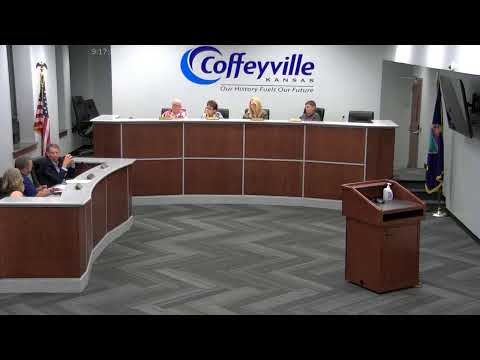
The Coffeyville City Commission gave first reading Aug. 12 to an ordinance that would require owners of vacant commercial buildings to register their properties and pay an annual fee that escalates if buildings remain unrehabilitated.
City staff said the ordinance responds to more than 100 vacant commercial properties in Coffeyville and mirrors programs in other Kansas cities. Under the draft ordinance staff presented, a structure vacant for more than six months would be required to register, pay a $500 annual fee and either provide an active rehabilitation plan/timeline, show an active sale/rental listing, or otherwise be subject to escalating fees ($500 more per year) and potential enforcement action.
Amber Dean, director of community development, told commissioners the ordinance is intended to target owners who do not engage in rehabilitation, sale, or active marketing, while exempting owners who are actively working on improvements. Commissioners and staff discussed scope, definitions, timelines and enforcement procedures; staff said they had consulted planning and zoning and had been asked to include stronger enforcement (“teeth”) by the planning commission.
The motion approved the first reading; by statute the ordinance must return for subsequent readings and public notice before final adoption. Commissioners said they want staff to continue outreach to property owners and to refine timelines and enforcement details before second reading.
Why it matters: the proposed registry aims to accelerate rehabilitation, reduce blight and limit municipal costs of demolition or emergency interventions. The ordinance would create a path for owners who can demonstrate active rehabilitation or marketing to avoid fees.