Get Full Government Meeting Transcripts, Videos, & Alerts Forever!
Get email alerts on the Financial Audit topic
No spam. Unsubscribe anytime.
Auditors give Coffeyville a clean regulatory-basis opinion for FY2024; explain cash-basis differences from GAAP
Summary
Independent auditors told the Coffeyville City Commission that the fiscal 2024 financial statements received an unmodified opinion on the regulatory (Kansas cash-basis) basis of accounting; auditors also explained the differences between GAAP and the state's cash basis.
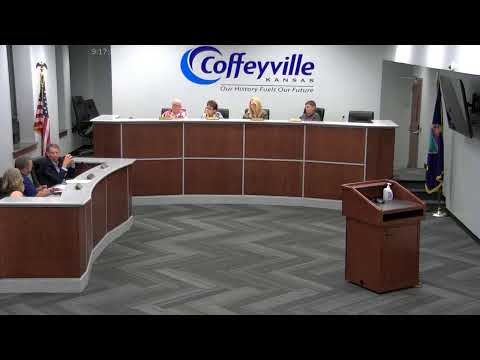
Auditors from Jared Gilmore & Phillips presented the city’s fiscal year 2024 audit during the Aug. 12 commission meeting, telling commissioners the report includes a clean (unmodified) opinion on the regulatory (Kansas cash-basis) financial statements but notes those statements differ from U.S. generally accepted accounting principles (GAAP).
Neil Phillips reviewed the independent auditor’s report and highlighted that Kansas municipalities typically report under the state’s regulatory cash basis rather than GAAP. That approach does not record infrastructure depreciation; instead, it focuses on cash receipts, expenditures and statutory fund restrictions. Phillips said the city complied with Kansas cash-basis laws and that none of the funds ended the year with a negative unencumbered cash balance.
Key figures discussed: the general fund ended 2024 with roughly $5.8 million in carryover cash (per the auditors’ presentation), the city’s total cash carryover across funds was reported at about $60.0 million, and total long-term debt declined to about $58.5 million after principal payments. Auditors noted the electric fund showed reduced sales in 2024 and discussed bond covenant reserve and coverage ratios in the footnotes.
Phillips also summarized the “presentation letter” and management representation items that accompany the audit, including disclosures about insurance schedules and long-term debt schedules. He answered commissioner questions about sales-tax budgeting and how management has changed the presentation of sales-tax receipts to improve transparency.
Why it matters: the unmodified (clean) regulatory-basis opinion indicates the city’s fiscal statements present a materially accurate picture under Kansas cash-basis requirements. The audit also provides the baseline information commissioners use in budget decisions and capital planning.