Get Full Government Meeting Transcripts, Videos, & Alerts Forever!
Get email alerts on the State Housing Policy topic
No spam. Unsubscribe anytime.
Supervisor Chan puts board on record opposing SB 79 unless amended
Summary
Supervisor Chan introduced a resolution opposing California Senate Bill 79 unless it is amended, arguing the bill would override local housing planning, threaten tenant protections and incentivize demolition of rent-controlled units without funding for affordability.
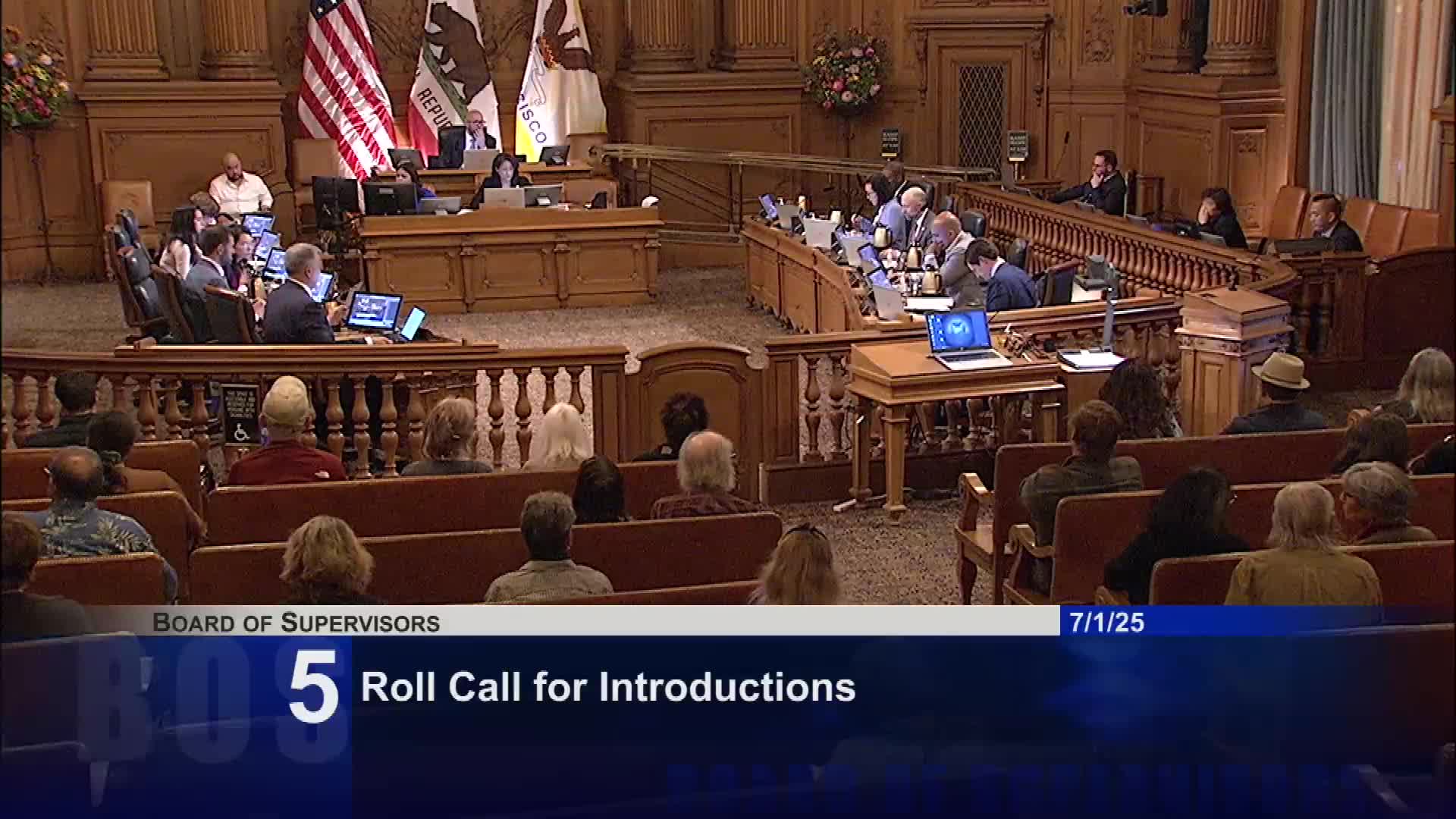
Supervisor Chan on July 1 introduced a resolution putting San Francisco on the record to oppose Senate Bill 79 unless it is amended to address the board’s concerns about local control, tenant protections and affordability.
Chan said SB 79 would “undo years of thoughtful community planning” and could put tenants and small businesses at risk of displacement, particularly in neighborhood commercial corridors. Chan argued the bill, and its predecessors (she cited SB 50), would override local housing-element protections and incentivize the demolition of rent-controlled units. She said San Francisco has already adopted a local citywide rezoning and housing element in compliance with the California Department of Housing and Community Development; Chan said SB 79 would undermine that local work and that the state budget has no funding for affordability.
Chan’s remarks were an introduction of a resolution; no vote or committee referral was recorded at the July 1 meeting. She asked colleagues and stakeholders to seek amendments from the bill’s chief sponsor, Senator Scott Wiener.
Why it matters: SB 79 is a state-level proposal that supervisors say could preempt local land-use decisions and affect displacement risks, neighborhood character and the city’s ability to protect equity priority geographies. The resolution is an expression of the board’s policy position and a request for state-level amendment, not a local law change.