Get Full Government Meeting Transcripts, Videos, & Alerts Forever!
Get email alerts on the Public Safety topic
No spam. Unsubscribe anytime.
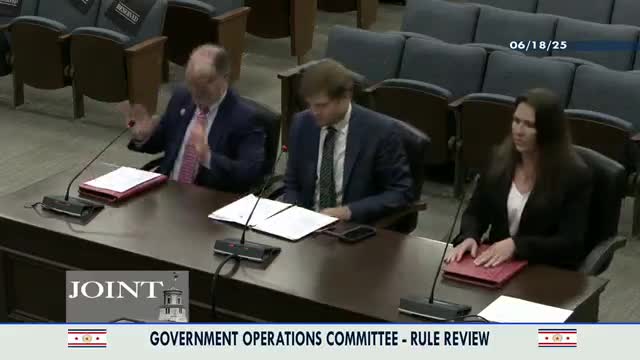
Firefighting commission rewrites rules, removes CPR requirement from incentive-pay eligibility; committee advances package
Summary
The Firefighting Commission rewrote its rules to modernize standards and simplify participation in the volunteer education-incentive-pay program; the commission removed a CPR requirement from the incentive eligibility criteria, prompting debate but the committee approved the rewrite.
The Government Operations Committee advanced a broad rewrite of the firefighting rules that the state Firefighting Commission said codifies modern industry standards and simplifies participation in the education-incentive-pay program for volunteer and paid firefighters.
Mike Bell, assistant commissioner for the Division of Fire Prevention, said the package rewrites the rules to "align standards with modern industry practices, make the language and requirements easier to understand, and make it easier for firefighters to participate in the educational incentive pay program." He said the rewrite reflects stakeholder input gathered in 2022 and 2023 and that the commission held a rulemaking hearing in January 2024.
One contentious change removes a CPR-certification requirement from the incentive-pay eligibility criteria for volunteer firefighters. Heather Zimmerman, executive director of the Firefighting Commission, said CPR was removed "because it has been brought to our attention that it's difficult for a lot of the volunteer firefighters to acquire that certification" in some rural areas and the commission wanted to avoid excluding volunteers from participation.
Several former and current firefighters and legislators urged restoring CPR as a requirement, saying CPR skills are basic life-saving capabilities and removing them could reduce service quality. Supporters of the change said the incentive program is aimed at expanding training participation and that many departments already require CPR under their own standard operating procedures. After discussion, the committee advanced the rewrites with a positive recommendation.
Why it matters: The rules affect volunteer and career firefighters across Tennessee and determine eligibility for state incentive pay for training; the CPR removal drew strong comments from former and current firefighters who said CPR should remain a basic requirement.