Get Full Government Meeting Transcripts, Videos, & Alerts Forever!
Get email alerts on the Prior Authorization Physical Therapy topic
No spam. Unsubscribe anytime.
AB 574 would waive prior authorization for the first 12 physical‑therapy visits to reduce treatment delays, opponents warn of increased costs
Summary
AB 574 would allow patients to access up to 12 medically necessary physical‑therapy sessions without prior authorization; supporters said prior‑auth delays interrupt rehabilitation, while insurers warned the change removes an important utilization‑management tool and could raise costs.
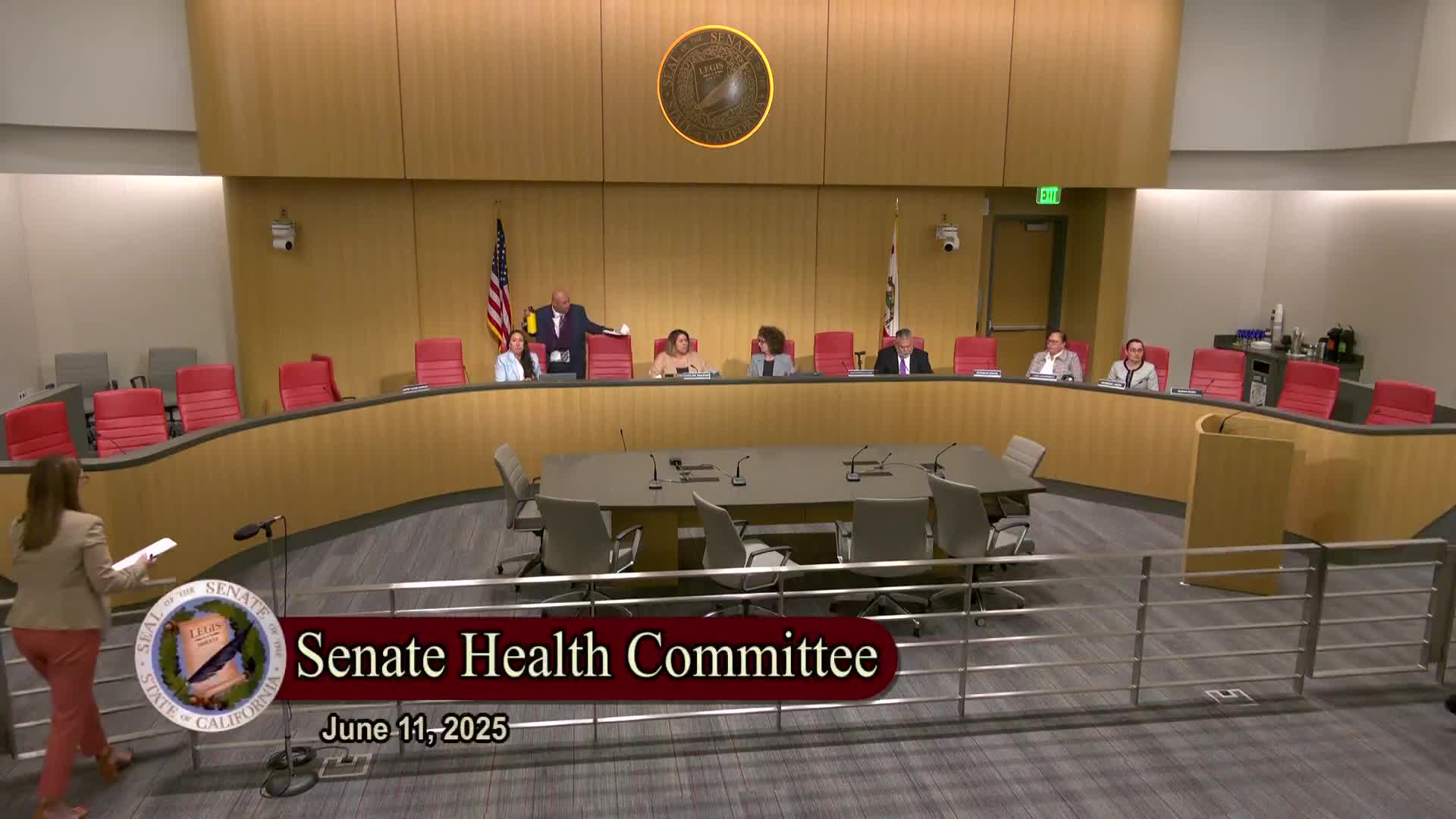
Assemblymember Gonzales presented AB 574, which would allow patients to access up to 12 medically necessary physical‑therapy sessions without prior authorization. The author said prior authorization requirements create delays that prolong pain and can worsen outcomes, particularly for patients recovering from stroke, spinal‑cord injury and other neurologic conditions.
"Access to timely and uninterrupted physical therapy is not a luxury. It is an urgent medical necessity," said Dr. Oscar Gallardo, a doctor of physical therapy who works with patients recovering from complex neurologic conditions, describing how interruptions in care can cause patients to lose progress and require repeated rehabilitation sessions.
Dr. Rick Katz, president of the California Physical Therapy Association, cited internal data that suggested automated limits and prior‑authorization algorithms often recommend far fewer visits than clinicians and physicians approve. He argued that early uninterrupted access to physical therapy can reduce downstream costs and improve outcomes.
Opponents included the Association of California Life and Health Insurance Companies (ACLHIC) and the California Association of Health Plans, which testified that prior authorization is a core utilization‑management tool that helps ensure services are medically necessary. Stephanie Watkins of ACLHIC said the bill "would undermine that process by allowing physical therapy providers to provide their patients with up to 12 visits without any oversight or review by the patient's health plan or primary care physician." She and other insurer witnesses said the change could increase unnecessary care and administrative costs if not implemented in the context of broader prior‑authorization reform.
Assemblymember Gonzales noted the bill does not apply to Medi‑Cal managed‑care plans and said she and stakeholders have been negotiating language to address concerns. Committee members acknowledged the larger ongoing conversations about prior authorization across health care and noted other bills are addressing systemwide reforms.
The committee moved AB 574 to appropriations on a motion by Senator Padilla. Clerk roll‑call entries in the transcript show the bill ultimately recorded as reported out with a final tally of 7 yes, 0 no.
Why it matters: supporters say the bill prevents harmful delays that interrupt recovery; insurers say it weakens medical‑necessity checks and ask that broader prior‑auth reforms be considered instead.
Next steps: AB 574 was referred to appropriations; sponsors and insurer representatives said they will continue negotiations on amendments and implementation details.